Weekly Waffle #424 – The Quilted Vanguard – Redefining the Dwarven Front Line
13th June 2026
The Mojo
I’ve had a good hobby week this week the painting gods mostly shining on me. Work remains carnage but my hobby time remains a welcome break and I’m hoping that this week’s weekly waffle isn’t the publishing train wreck that last weeks was. Everything seemed to go wrong last week so I have been been keeping an extra close eye on things this week . I’ve also booked a holiday for July so that is something to look forward to. But all in all it’s been a good week and I hope you enjoy the weekly waffle as much as I’ve enjoyed the week.
On The Work Bench
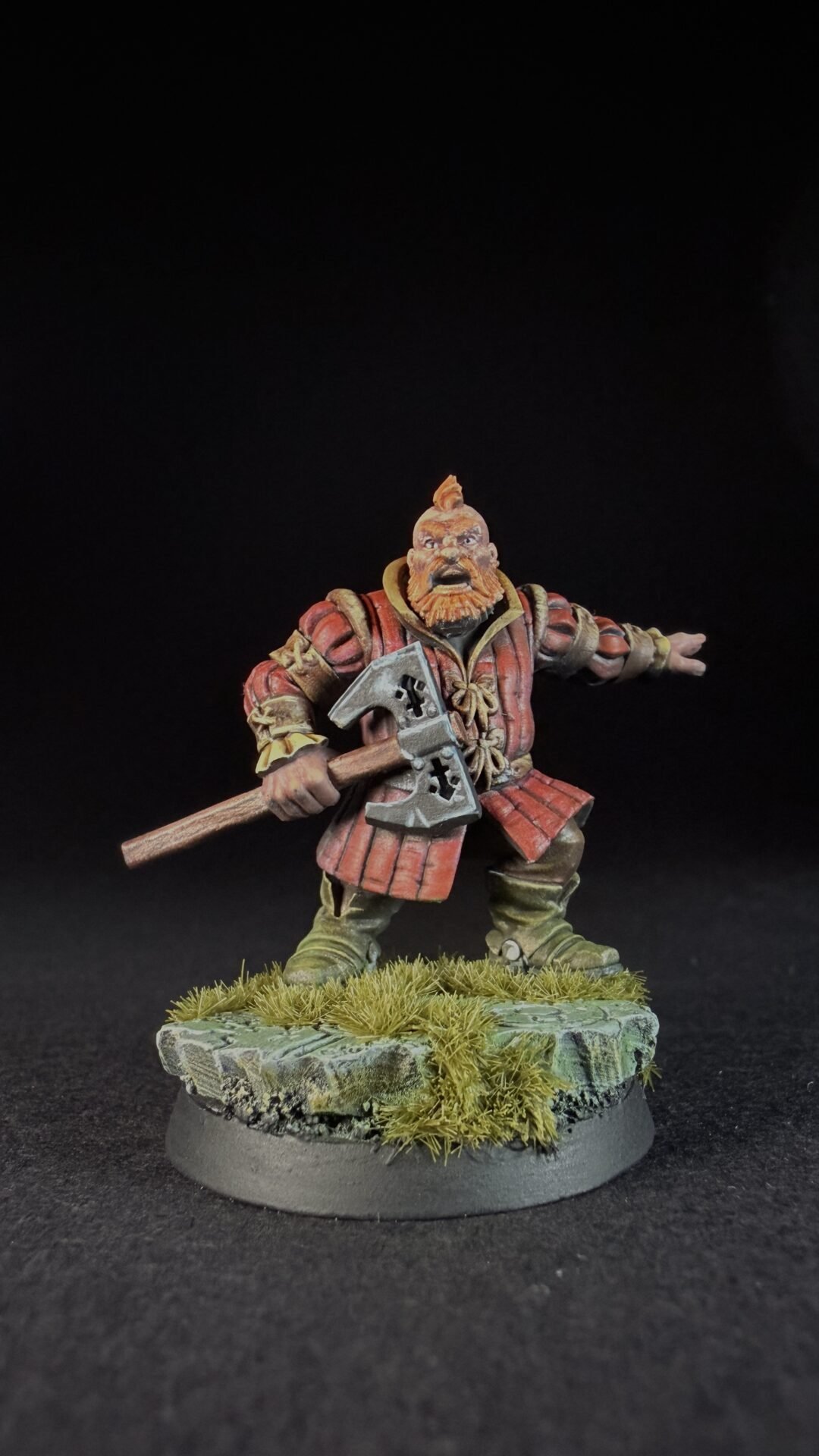
So this week I’ve briefly stepped away from Venice and into the Forgotten Realms. Simply because I had ordered a mini as a bit of a painting exercise and decided his back story was based on a D&D character.
It has been an interesting few hobby sessions with this guy because I have had an AI generated image I used as guide. And I’ve used some new products to paint him.
Starting with the image. I took a picture of the in painted mini from the website. Uploaded it to AI-Mini Painter and this is the coloured image it came up with for me.
(Pictures here)
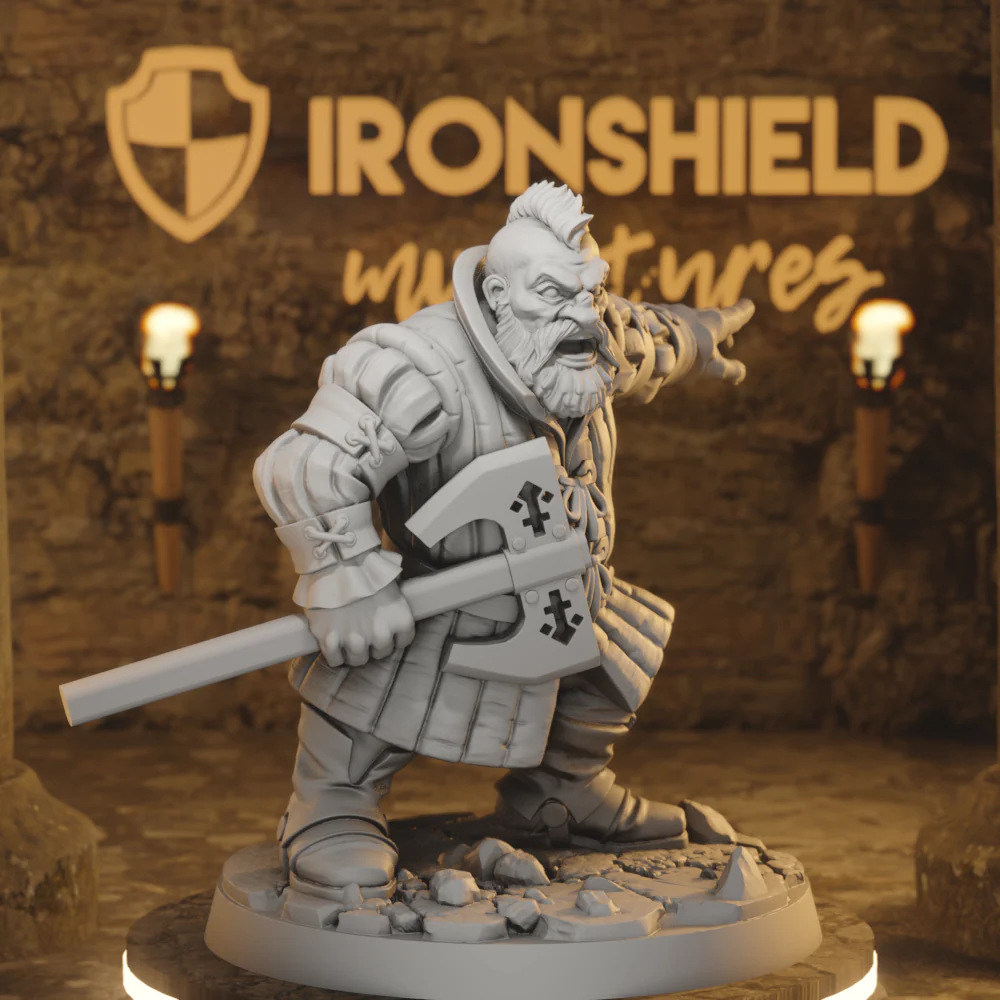
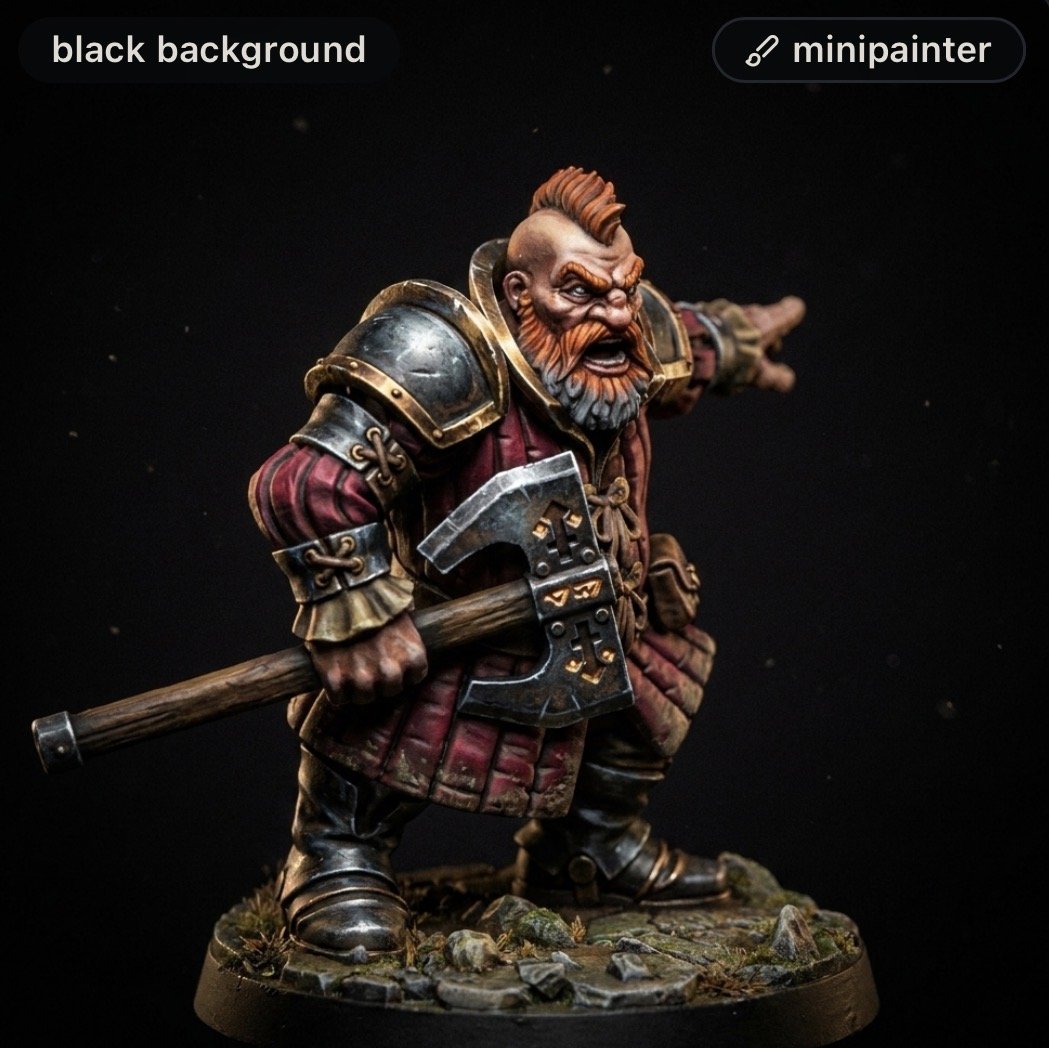
I liked the overall look so decided to use this a guide to paint the actual mini. You will notice as we go along that the AI embellished the image a bit adding armour where there wasn’t any but that didn’t matter to me.
The first new product I used came right at the start in the form of a new primer. I used Mr Hobby 1500 primer and I have to say I don’t think I will be switching back to my old AK or Vallejo primers any time soon. I really like the finish on this. It is enamel based so you need lots of ventilation when using it. But I’m liking it so far.
With the mini primed and zenith highlighted it was on to the colour. And this is where product number two comes in. I’ve picked up some pro acryli one step speed paints. Because I’m a sucker for anything new.
I’ll do a proper review once I’ve used them a bit more but my initial view is that I like them. They act a lot more like normal paints. Feel a little thicker and you can mix the to get the tones you want. Like I say I will have a proper play and do a full review at some point in the future.
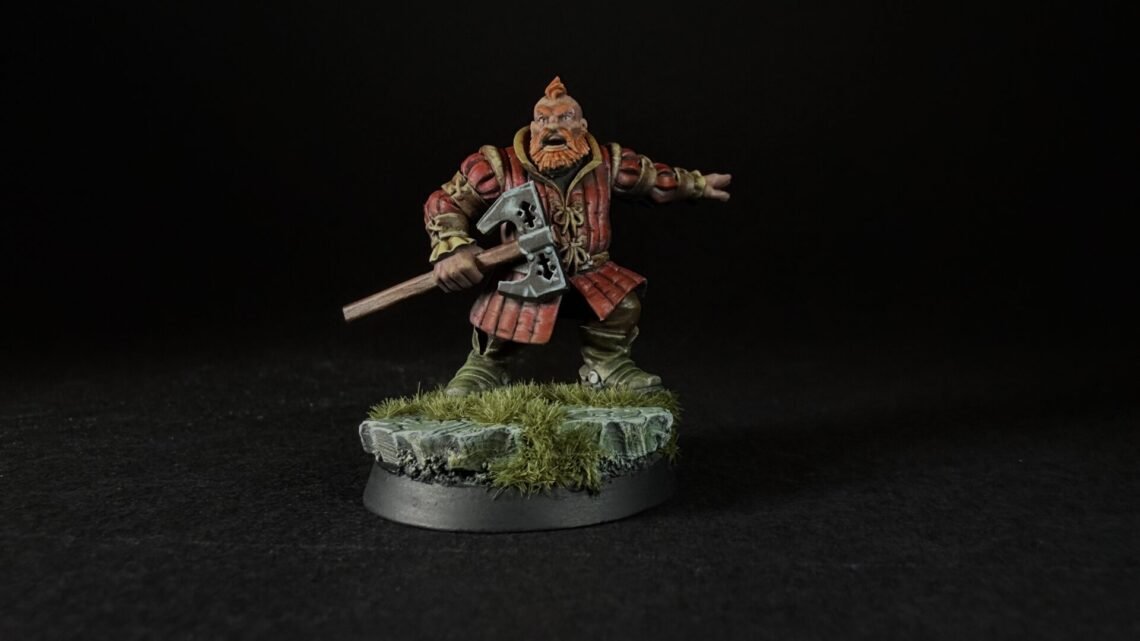
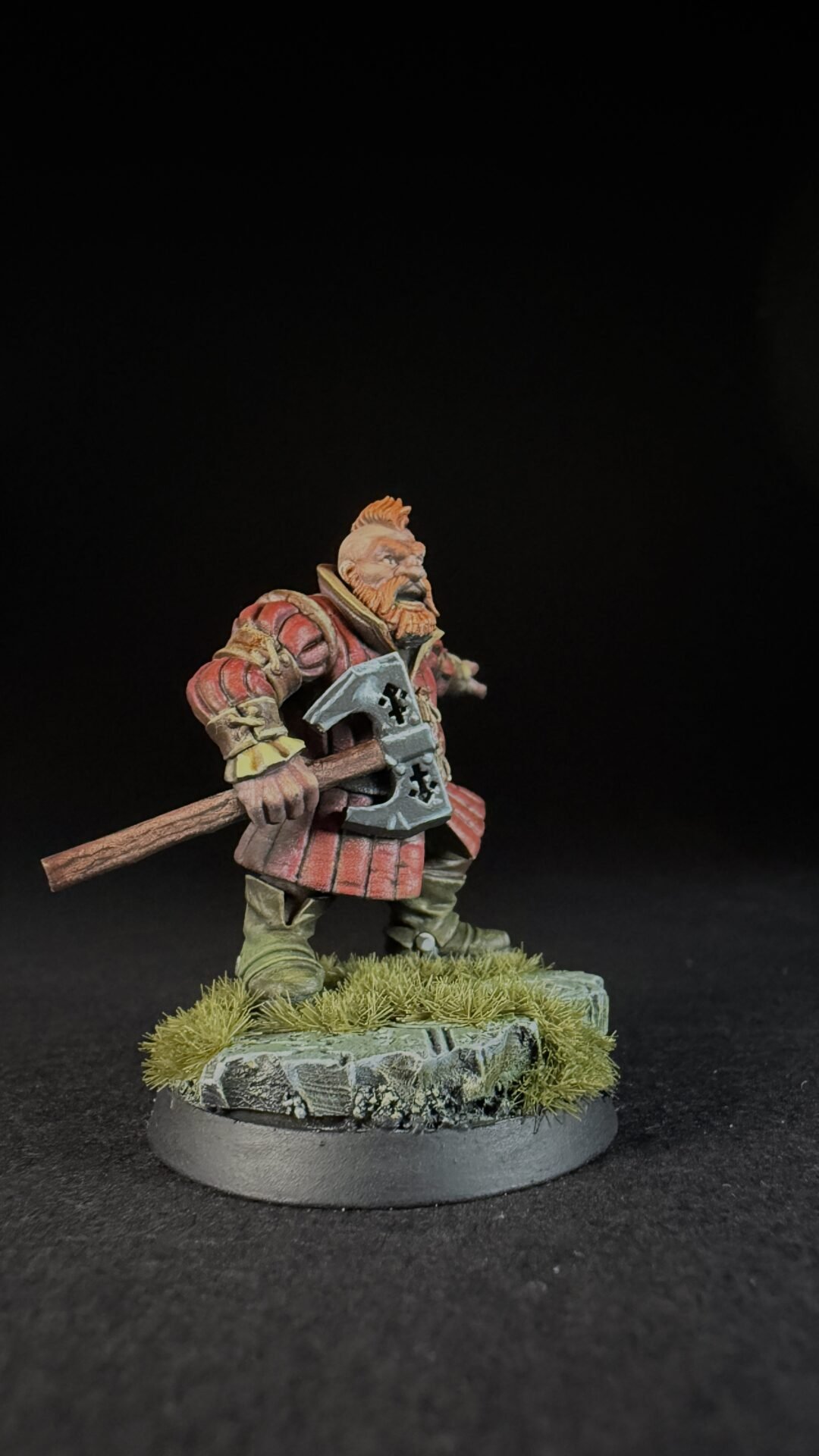
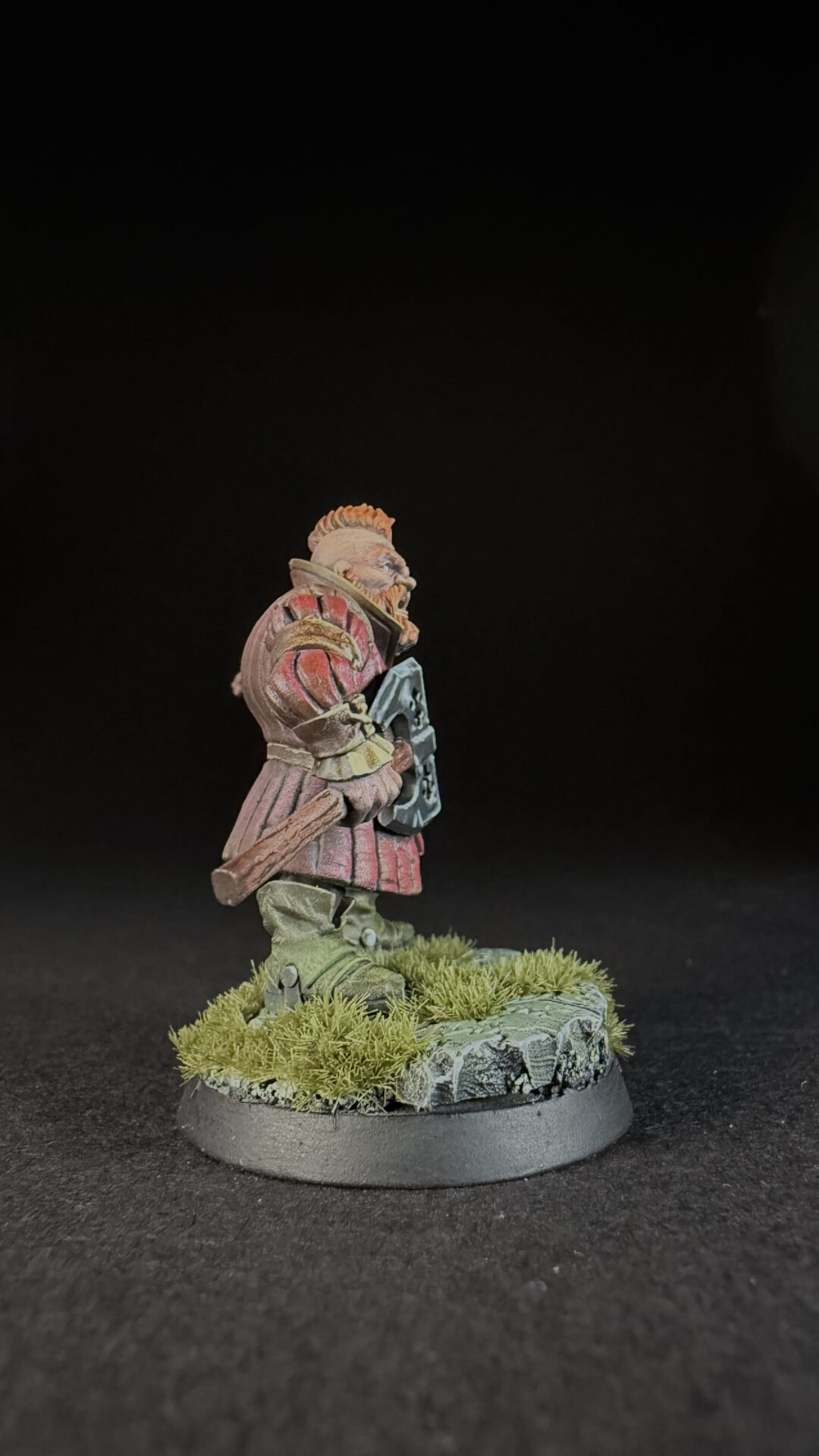
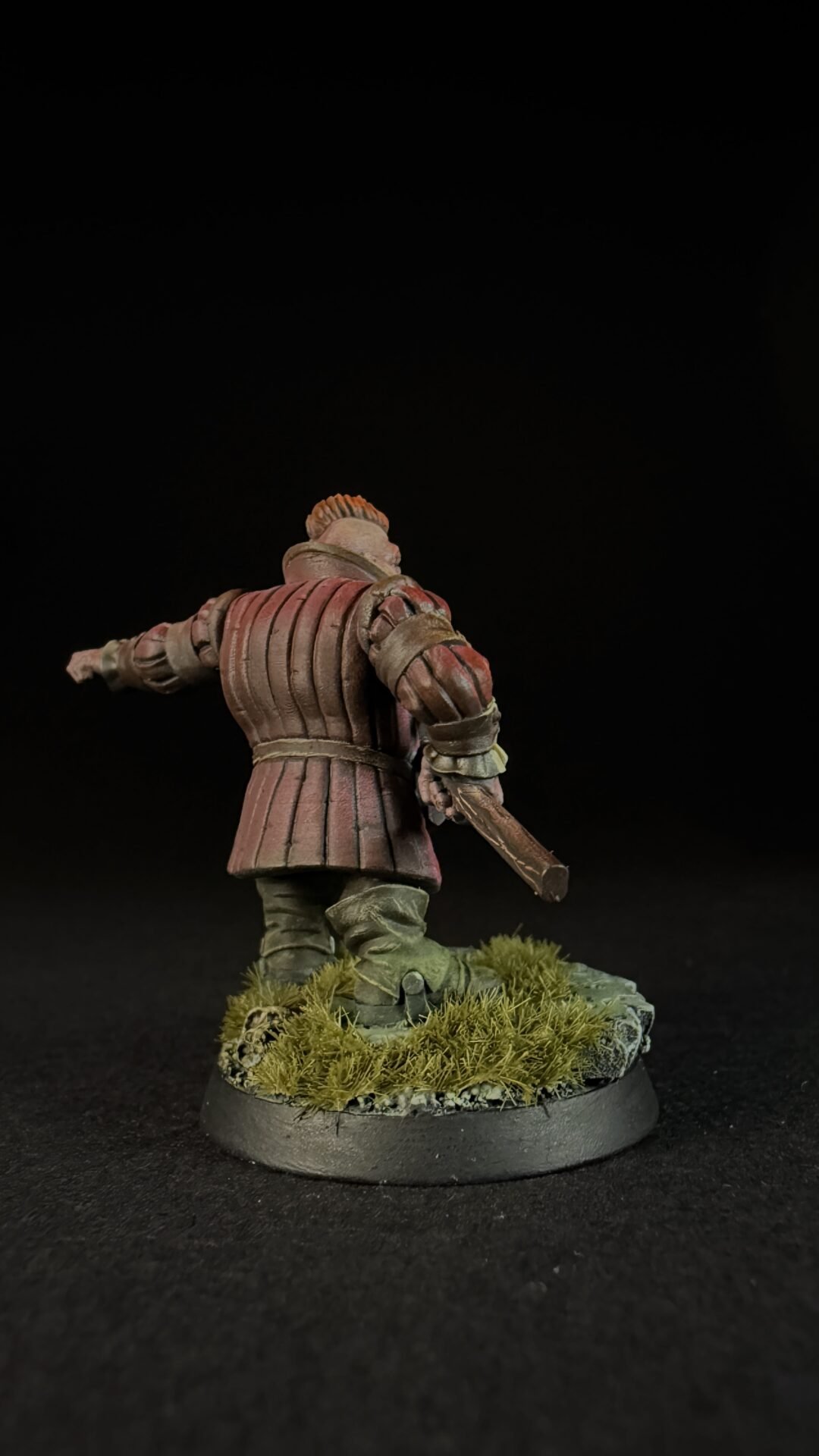
As for paining the mini I didn’t stick rigidly to the AI image but used it as a guide and I’m mostly happy with how it’s turned out. I say mostly because I’ve tried to do the axe as NMM and it hasn’t really worked. But I think that just means I need a lot more practice. But rather than hiding it under a true metallic I wanted to share it.
Because not everything works and if someone can take inspiration from my mishaps then I think it’s a good thing. And it would be good to look back in twelve months to see if I’ve improved or not.
But until then what do you think of home.
(Pictures here)
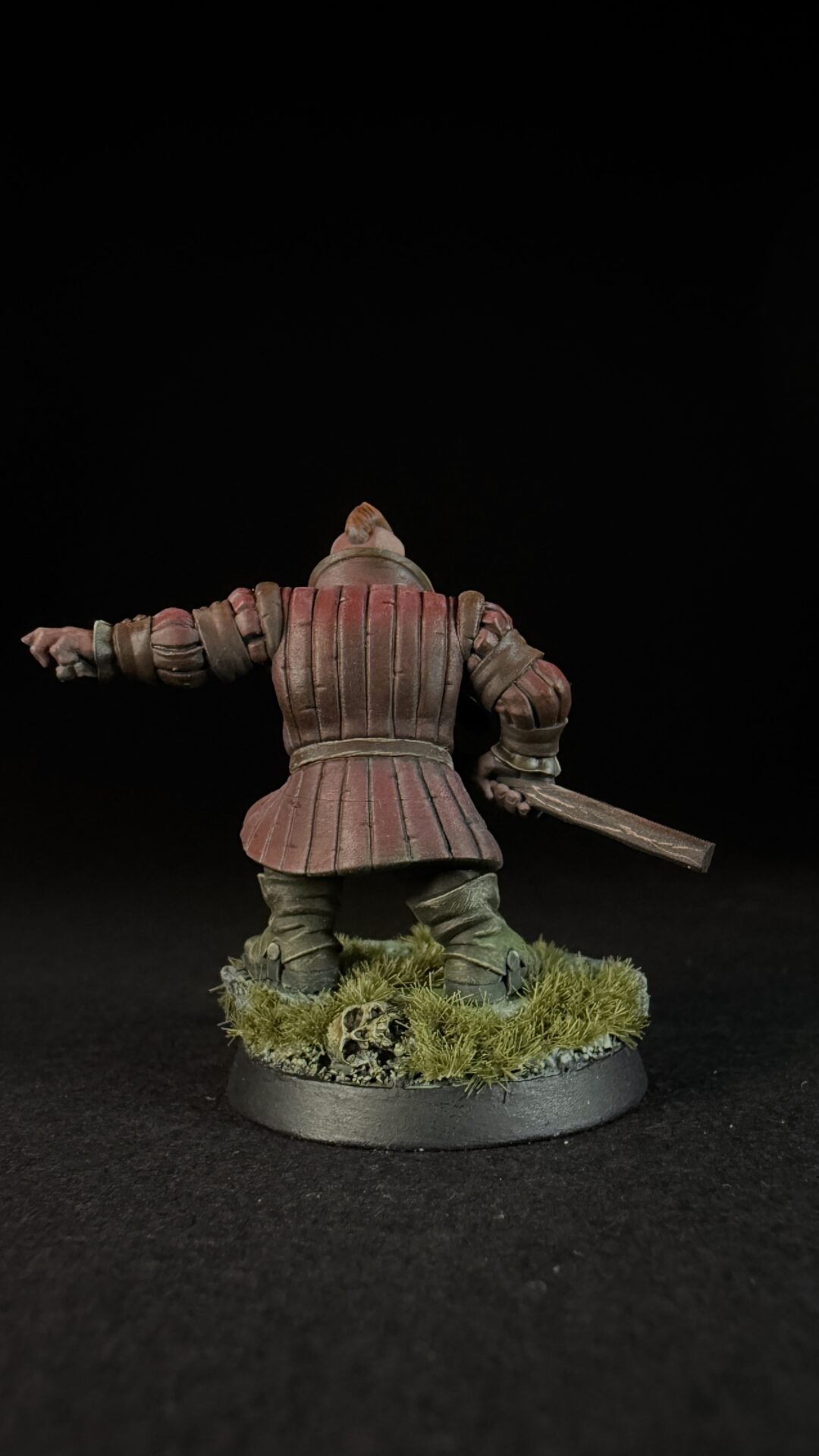
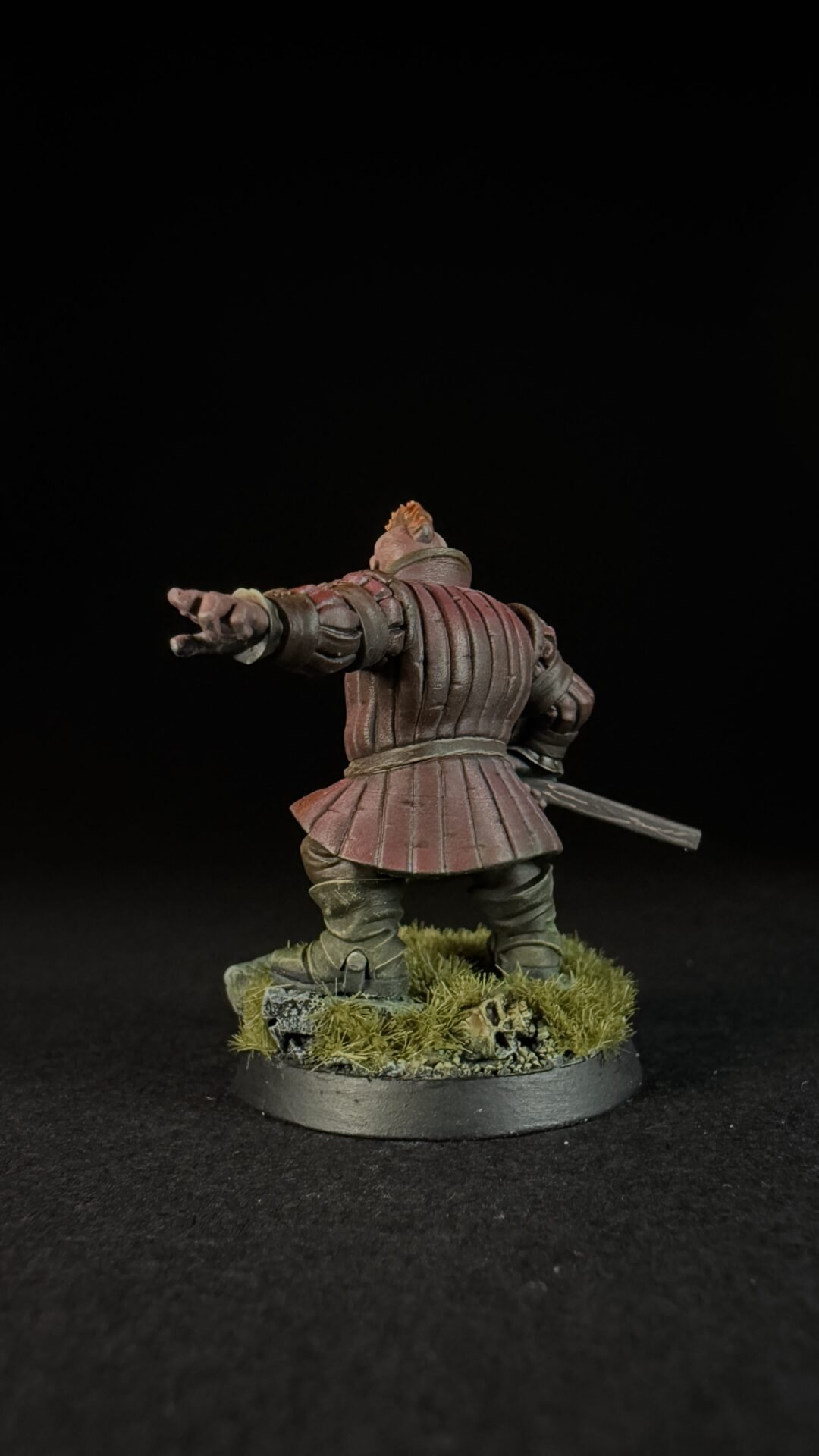
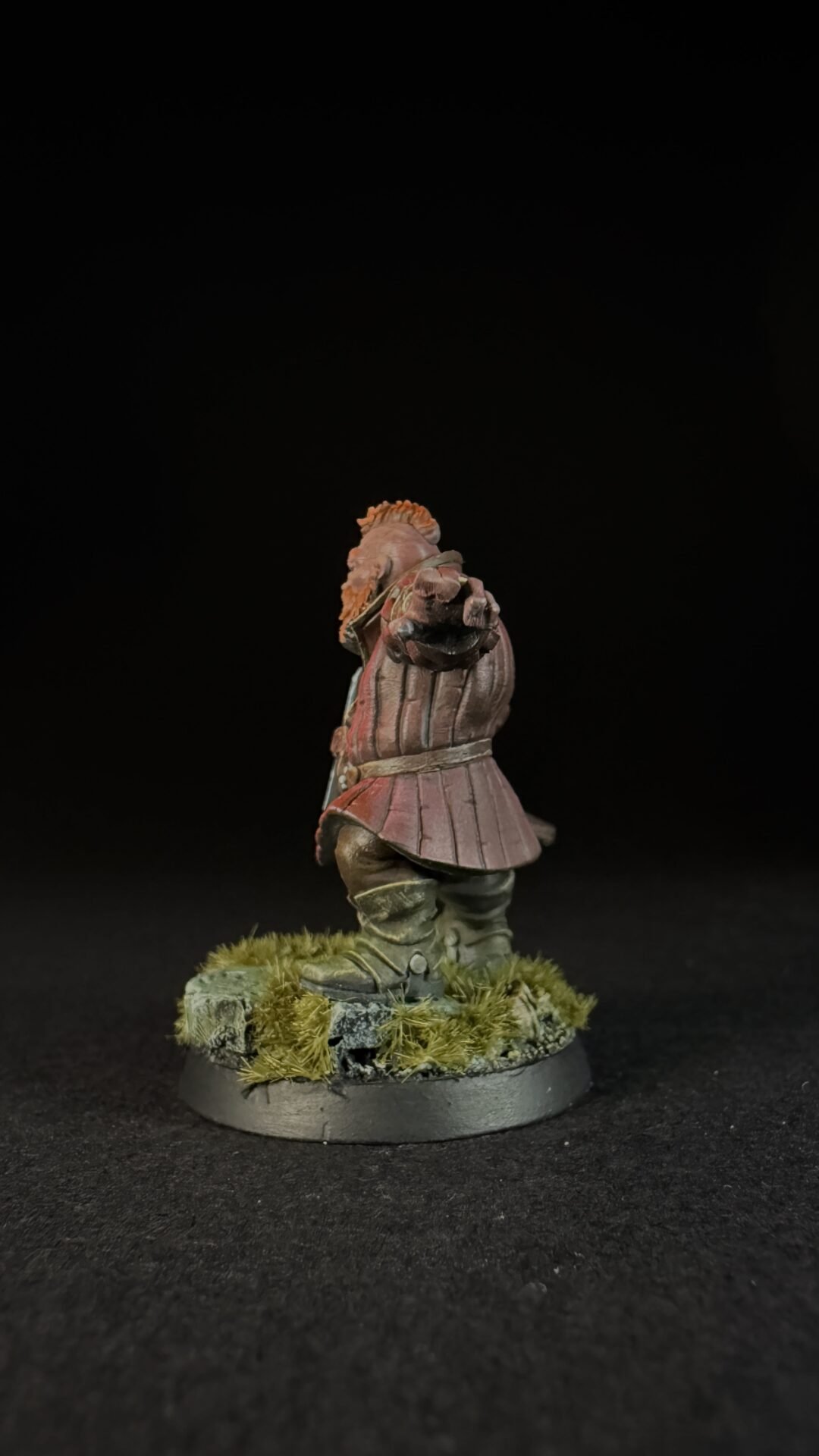
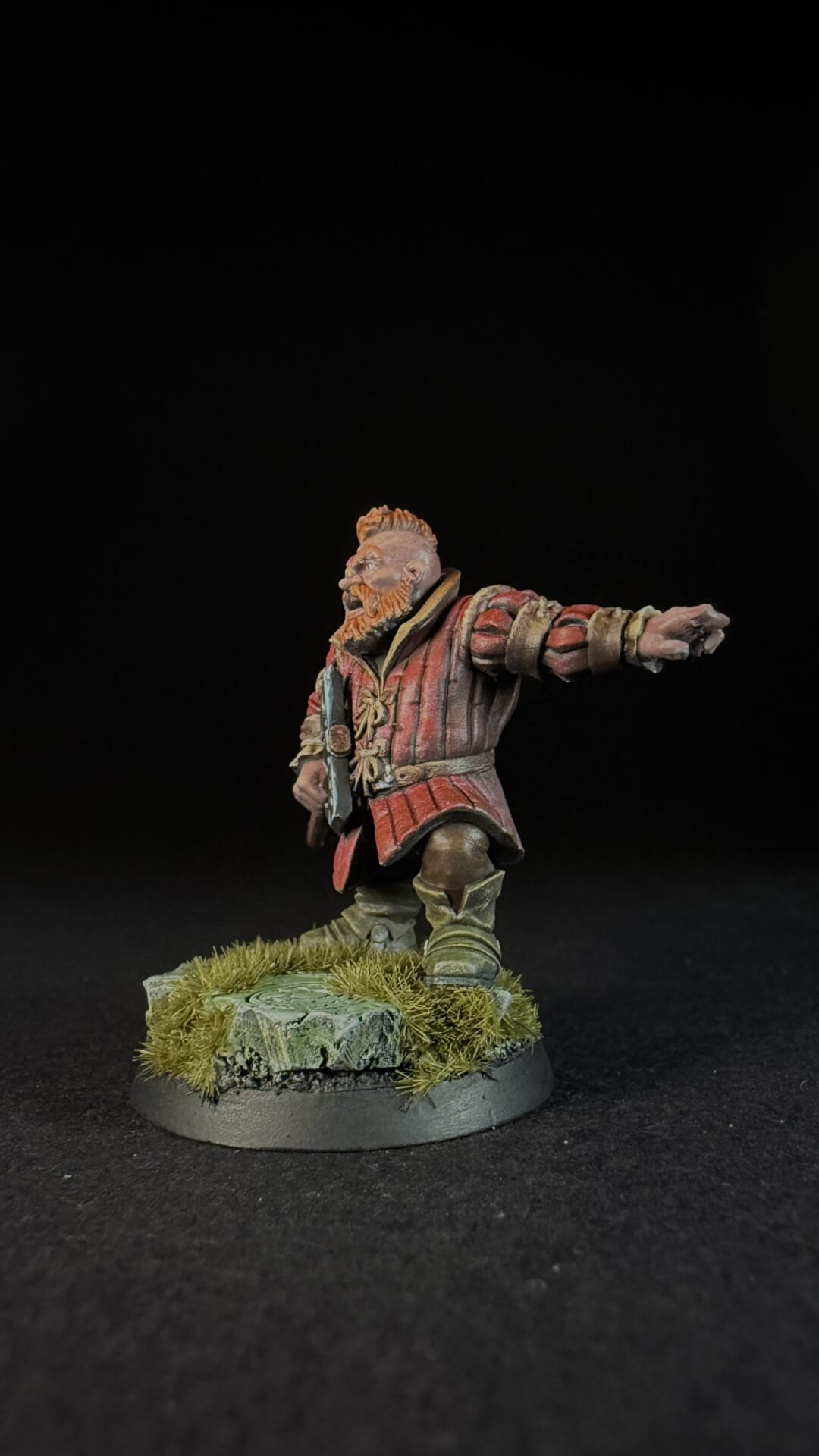
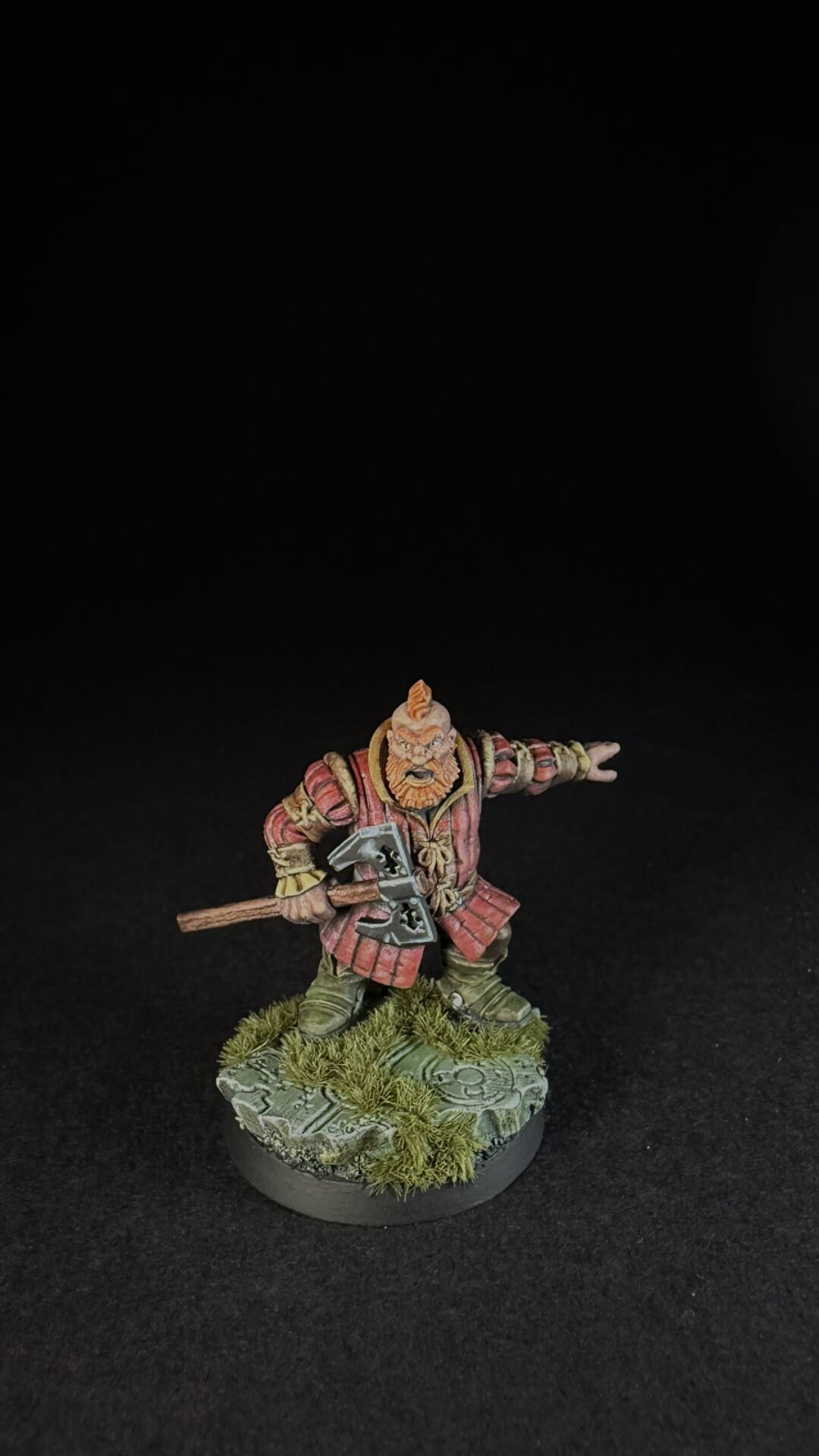
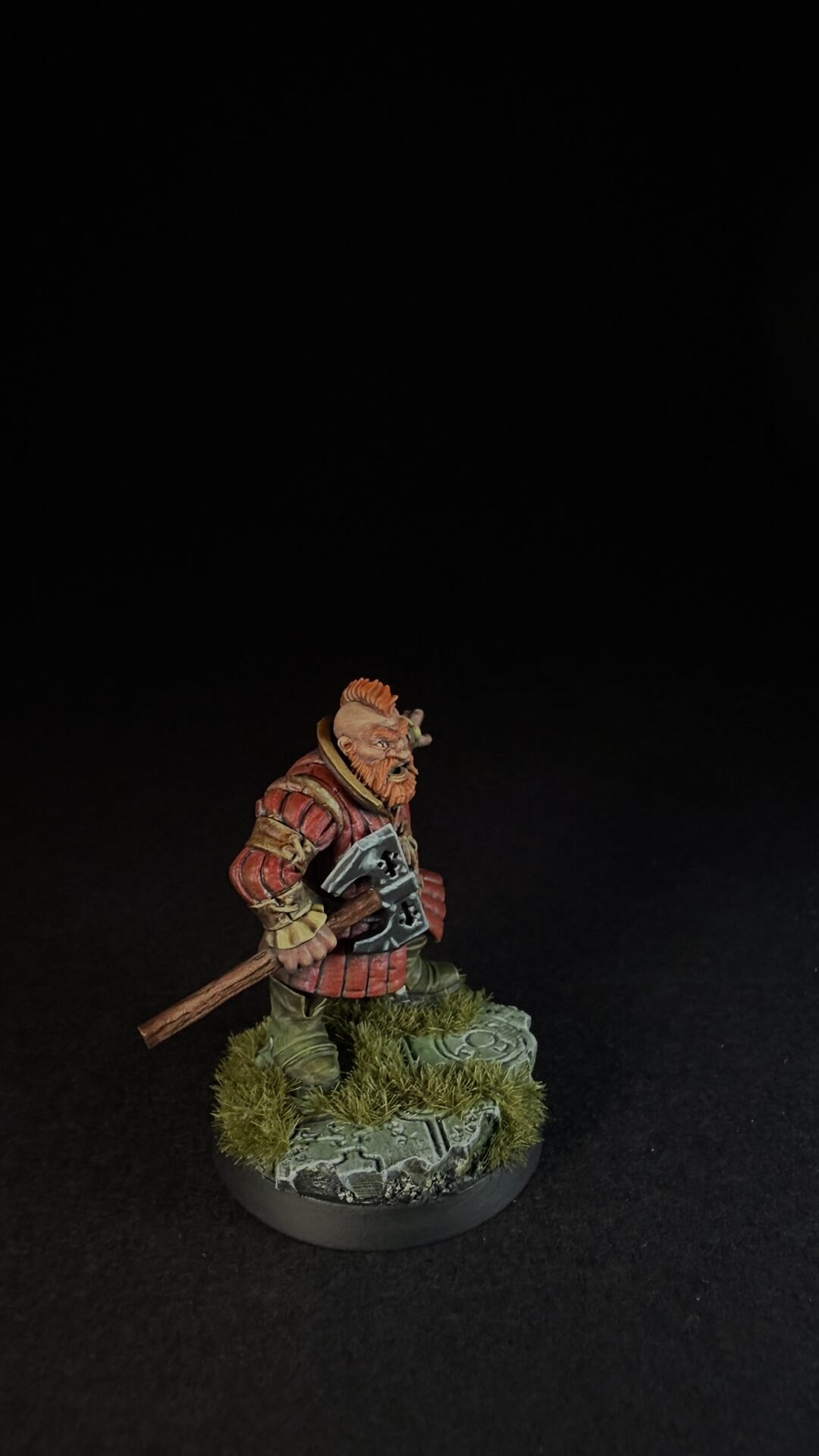
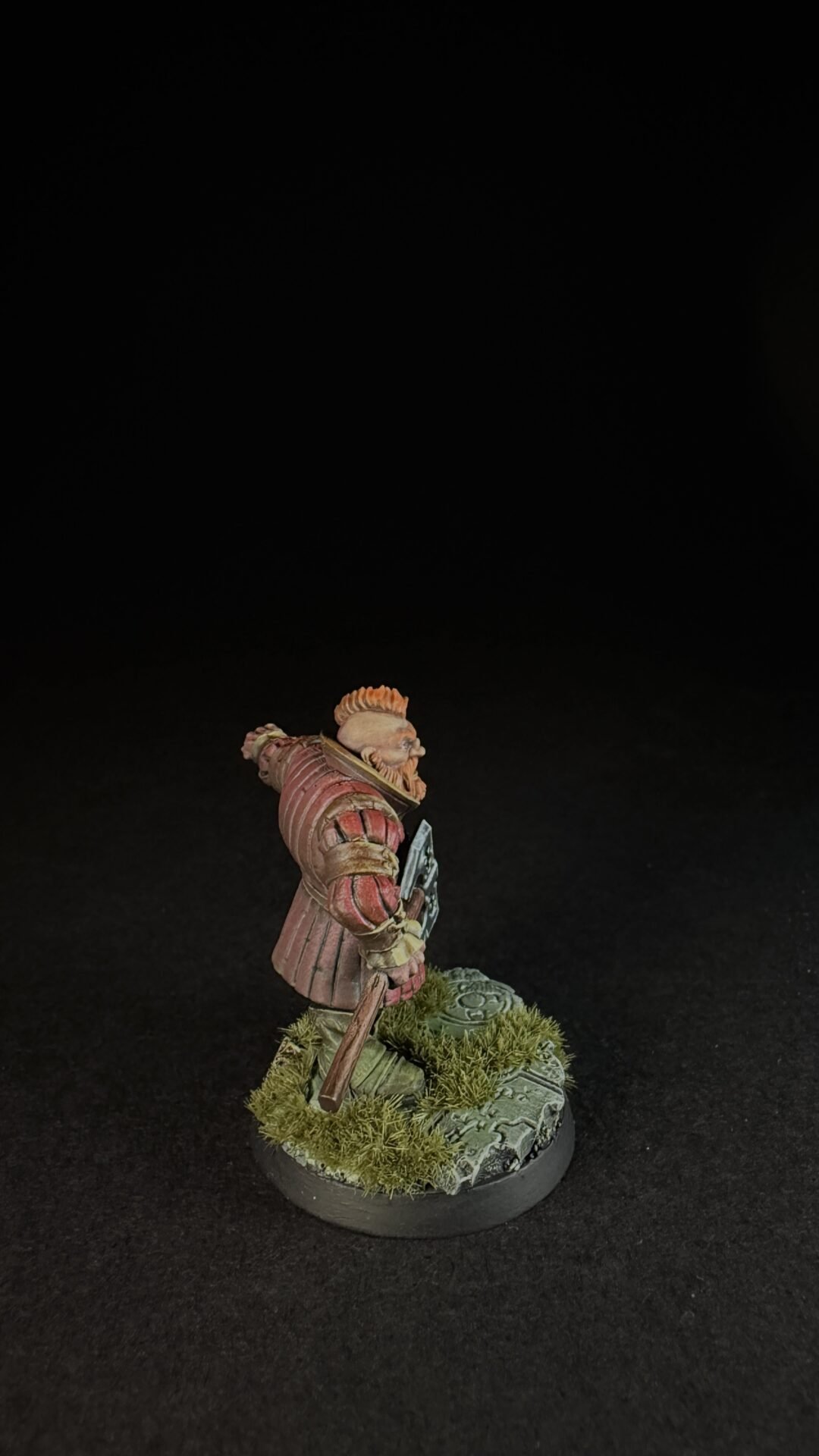
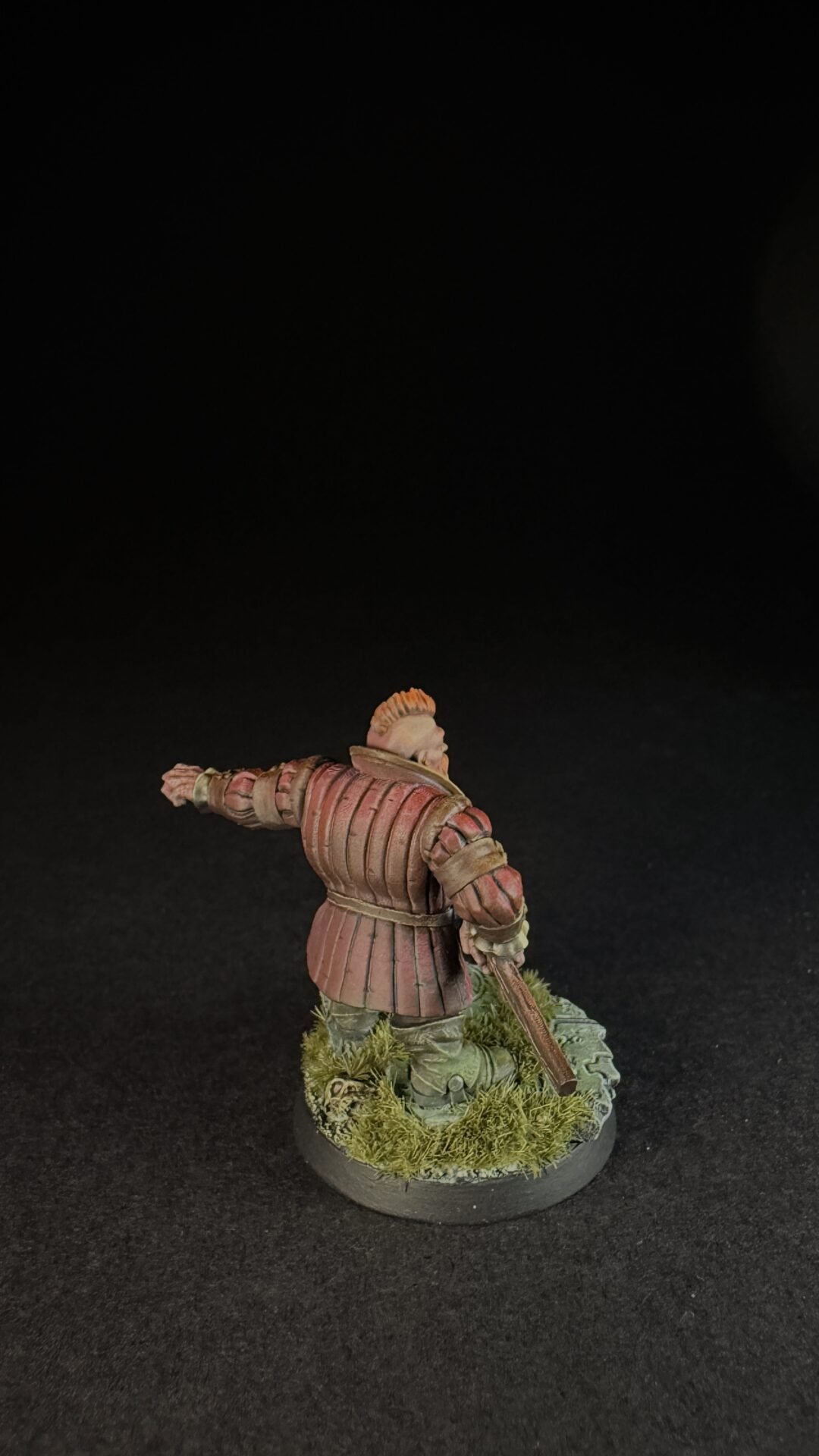
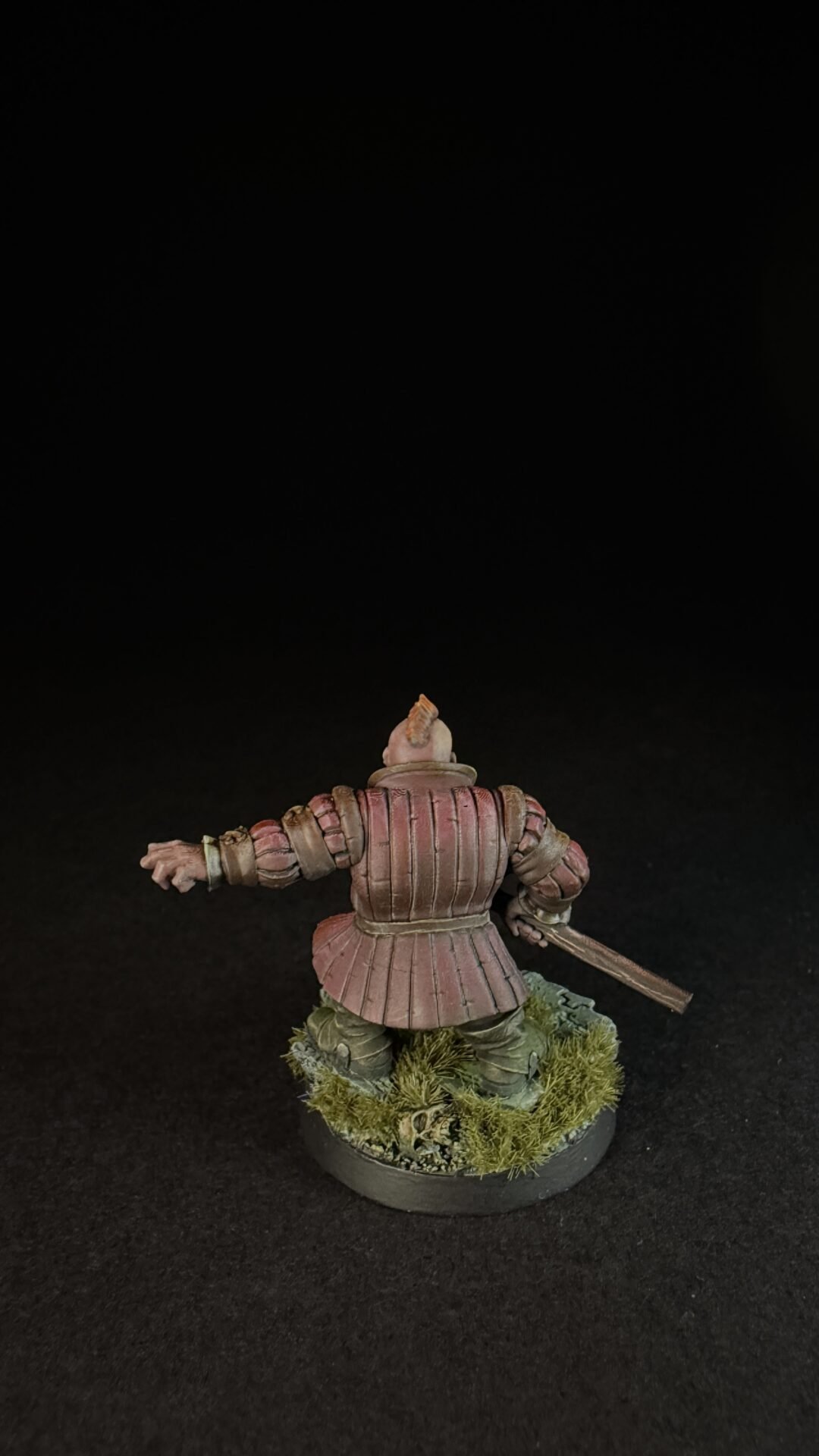
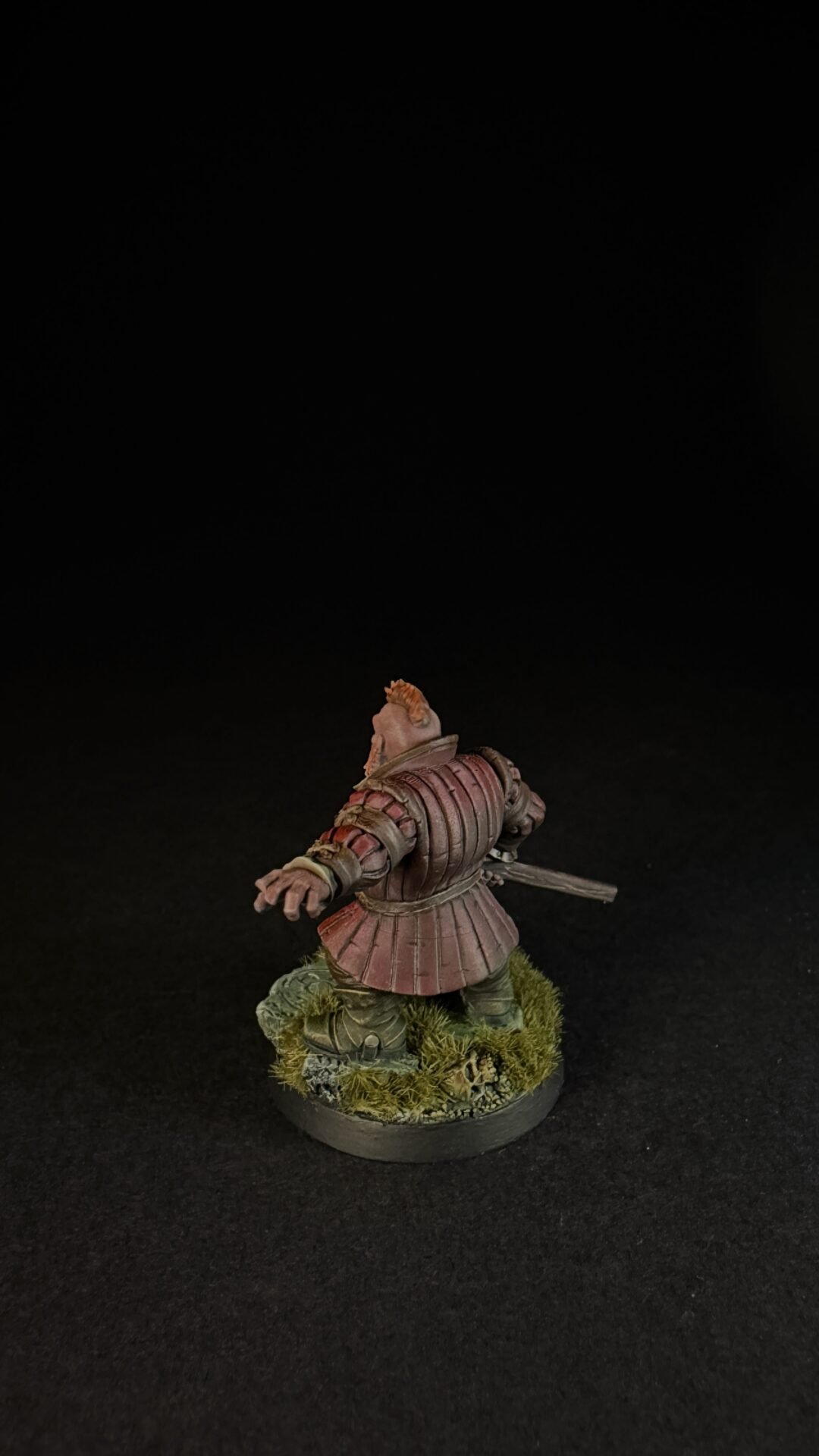
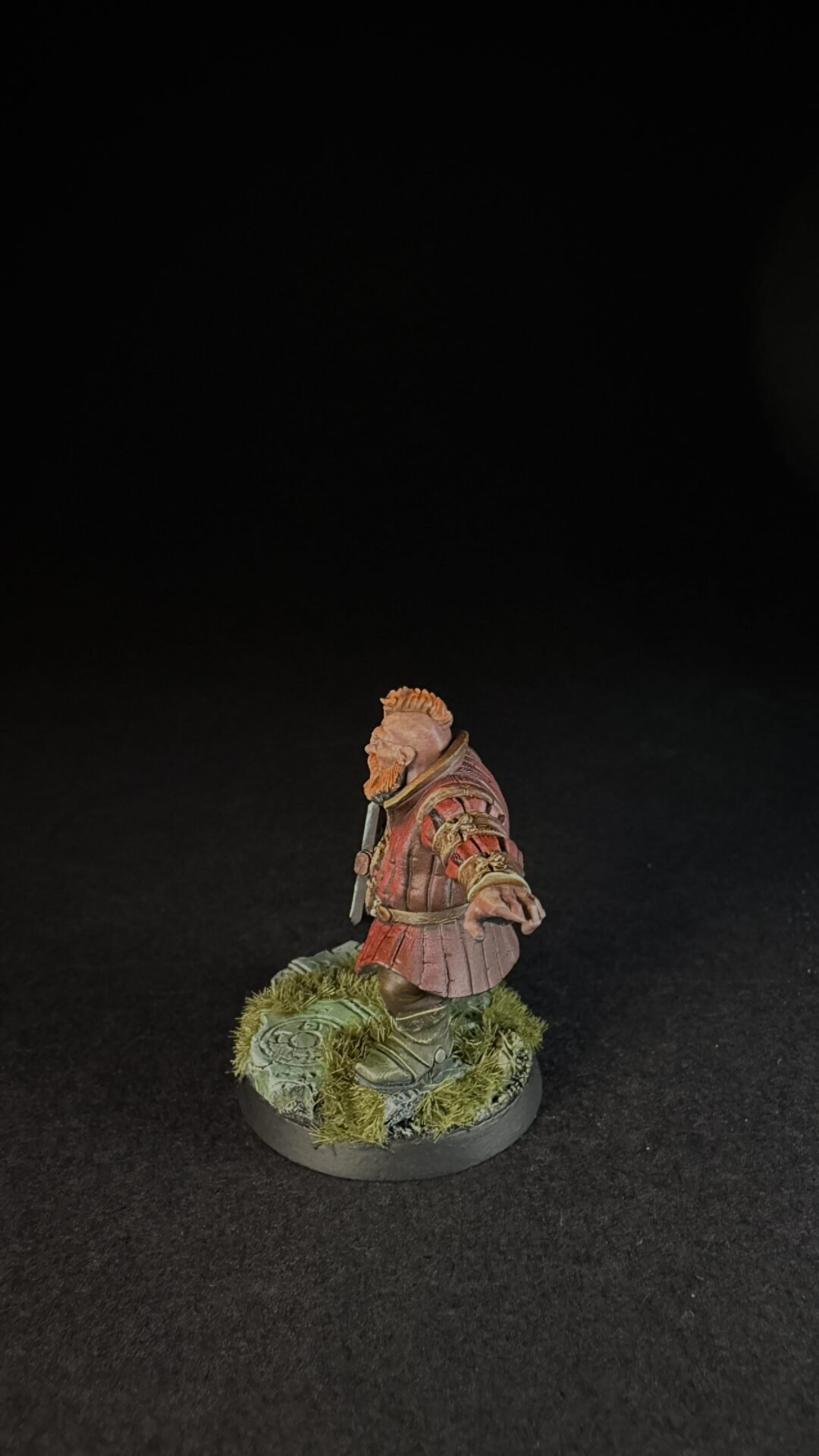
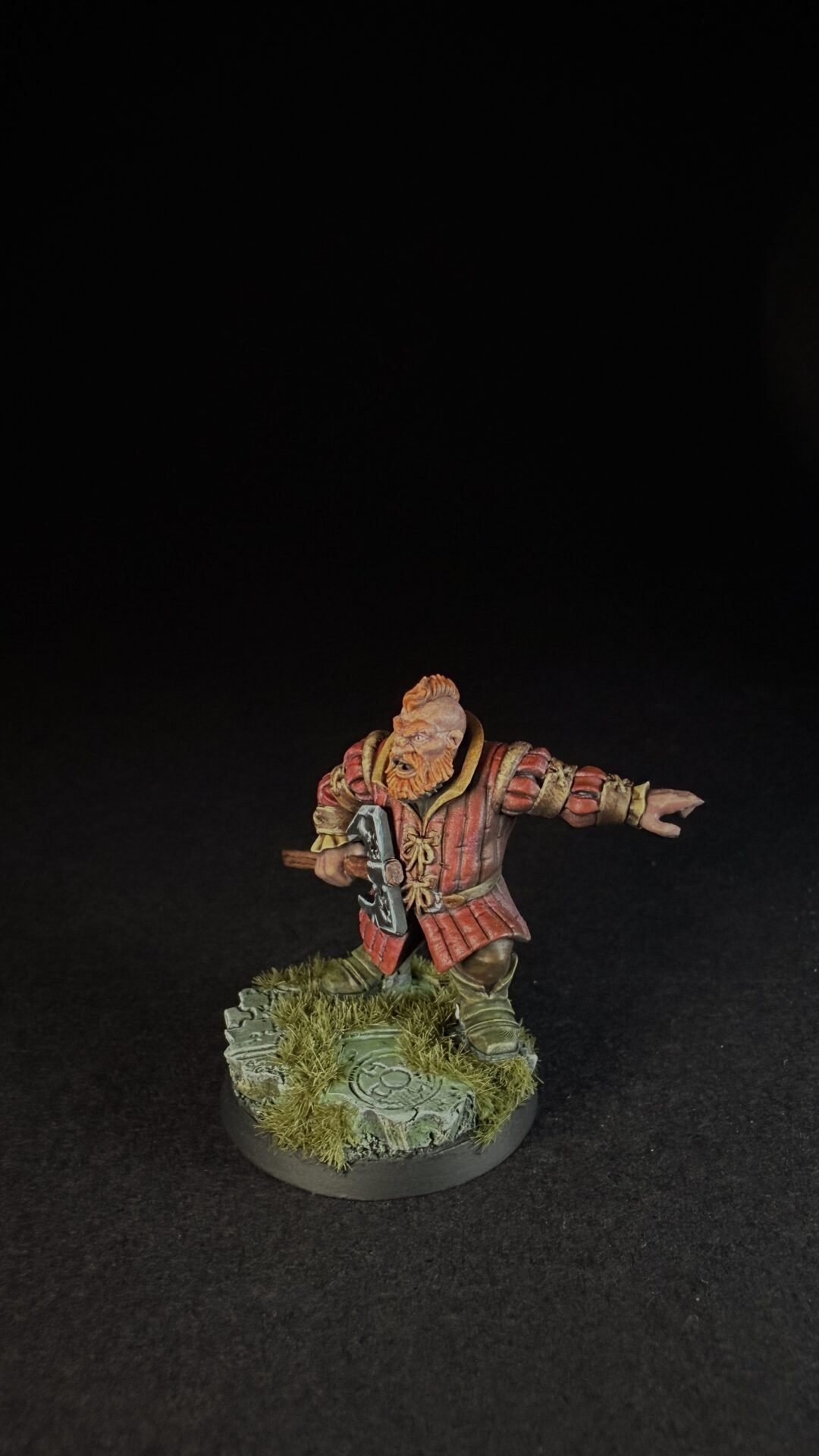
Link to Gallery here
Tactical deep dive
If you’ve been hanging around terminatortids.co.uk for any length of time, you know I’ve got severe “hobby butterflies.” My workbench is a rotating carousel of half started projects. But recently, a specific miniature caught my eye: a stocky, stubborn looking dwarf. Instead of being buried under ten tons of clanking steel plates, this chap is clad in thick, quilted cloth armour and grips a massive, double headed axe.
This visual aesthetic sent me down a massive rabbit hole looking at the modern Dungeons & Dragons ruleset to see how it translates to the tabletop. Let’s pull apart the lore and mechanics of the Quilted Vanguard, a character built to prove you don’t need iron plate mail to be an immovable frontline anchor.
Part I: Foundations of Stone and Iron – The Lore
To understand why this archetype is so cool, we have to look past modern tropes and dive into classic dwarven lore. Dwarves are long-lived, deliberate, dependable, and fiercely loyal to clan and tradition. They don’t do anything by halves; a combat style is a lifelong devotion.
A dwarf’s weapon is an extension of family history. The double-headed axe gripped by our vanguard fighter isn’t just sharp steel, t’s a relic bearing the carved runes of ancestors who cleared goblin infestations centuries ago. For a dwarf, fighting is a sacred cultural duty to protect the mountain holds.
The real thematic twist is the quilted armour.
While pop culture associates dwarves with heavy plate armour, iron mail can be a nightmare in a subterranean mountain hold. In tight, echoing stone corridors, heavy plate is loud, cumbersome, and traps body heat like an oven.
Quilted cloth armour (historically known as a gambeson) represents a completely different tactical philosophy. Made of dense, layered fabric, it offers excellent protection while remaining completely silent. This dwarf isn’t part of a rigid infantry line meant for open-field charges; they are a practical tunnel scout. They creep through the pitch-black tunnels ahead of the army, navigating tight cavern gaps quietly to sound the alarm or ambush intruders before they reach the fortress gates.
Part II: The Frontline Anchor – Mechanics and In-Game Role
In D&D, the Fighter class is the ultimate master of martial combat. While other classes rely on magic, stealth, or divine favour to survive, the Fighter relies purely on stamina, rigorous training, and cold steel.
Our quilted dwarf is engineered to act as the frontline anchor of an adventuring party, bridging the gap between high mobility and defensive positioning. Here is how the mechanics map out:
- The Weapon: High-Risk, High-Reward Combat
Armed with a double-headed axe, this character utilises a two-handed weapon, mechanically classified as a Great axe (1d12 slashing damage). It is one of the hardest hitting martial weapons in the game, built for raw, uncompromising power.
The In Game Role: Striker and Executioner. This dwarf doesn’t poke at enemies with a rapier. They clear space. In a narrow dungeon corridor, a sweeping strike from a great axe can split a bugbear clean in two, providing an immediate offensive threat the enemy cannot ignore.
- The Armour: The Agility Compromise
By wearing quilted (padded) armour, this fighter opts for light armour, allowing them to add their full Dexterity modifier to their total Armour Class (AC).
The In-Game Role: Skirmisher and Vanguard. Unlike a traditional “tank” dwarf who stands still and lets metal deflect blows, this fighter relies on quick reflexes and the kinetic-absorbing layers of dense quilting. Crucially, light armour removes the standard stealth penalties of heavy metal. This dwarf can operate efficiently as a scout, creeping up on an enemy encampment undetected before unleashing a surprise attack.
- Class Features: Shrugging Off Damage
Two flagship Fighter features perfectly synergise with inherent dwarven resilience:
Second Wind: Once per combat, the fighter can draw on a well of stamina to regain hit points as a bonus action. Mechanically, it represents stubborn dwarven grit—the ability to take a savage club swing to the ribs, shake it off, and keep swinging. It ensures your health pool remains resilient despite the lighter armour.
Action Surge: Once per short rest, the dwarf can push past normal physical limits to take an extra action on their turn. In practice, this means launching a devastating flurry of axe swings in a single breath, turning the tide of a chaotic melee before the enemy can react.
Part III: Tactical Execution at the Table
In an active adventuring party, the Quilted Vanguard occupies a brilliant tactical sweet spot, bridging the gap between a fragile, high-stealth Rogue and a slow, heavily armoured Paladin.
In a dungeon crawl, this character is your point person. Because they don’t suffer heavy-metal stealth penalties, they can move down corridors alongside the Rogue to check for traps. The moment things go pear-shaped and the Rogue slips into the shadows for a sneak attack, the dwarf steps forward to lock down the zone.
They excel at choke-point control. In a five-foot-wide dungeon doorway, this dwarf becomes an impassable wall. With their massive great axe, any enemy attempting to push through risks a lethal blow. Backed by Second Wind, they have the stamina to hold that doorway alone for multiple rounds.
This creates a perfect defensive pocket, ensuring your fragile wizards, sorcerers, and warlocks have a completely safe backline to cast high-impact spells without being swarmed by low-level minions. The Quilted Vanguard dictates exactly where the fight happens, forcing the enemy to engage on your terms.
The Verdict
Ultimately, the Quilted Vanguard proves you don’t need to follow cookie-cutter builds to be incredibly effective. You don’t need a sparkling suit of magical plate armour to be legendary. Sometimes, all you need is a sharp ancestral axe, a sturdy pair of boots, a well made padded coat, and the grit to stand your ground against the dark.
Whether you are writing a backstory for your next campaign or looking for a thematic excuse to finally paint that stocky dwarf mini sitting on your shelf, this archetype is an absolute blast to bring to life.
What’s your preferred style for a frontline warrior? Do you lean into the traditional, iron clad tank look, or do you prefer a high mobility skirmisher who values a silent step and a heavy swing? Let me know your thoughts in the comments below! If there’s another character build, obscure ruleset, or miniature project you want me to put under the tactical microscope next week, drop a suggestion.
The Wrap Up
That’s all I have for you this week. It will be back to the waterways of Venice again next week. But until then I hope you all keep safe and that all your hobby endeavours are a success.


You May Also Like
Weekly Waffle #272
Weekly Waffle #209