Beneath the Mountain: Lore and Tactics of the Quilted Vanguard
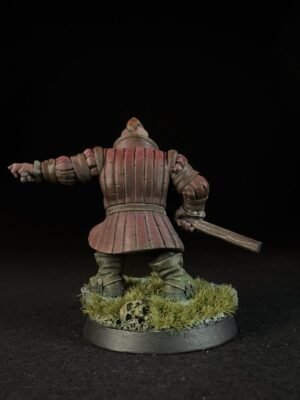
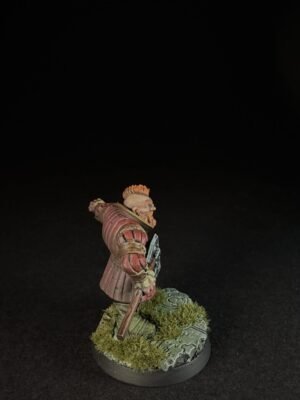
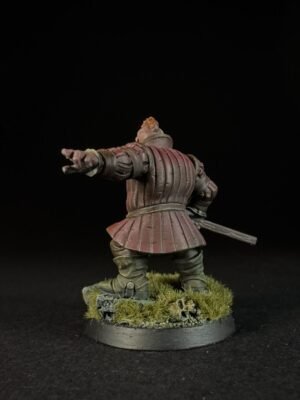
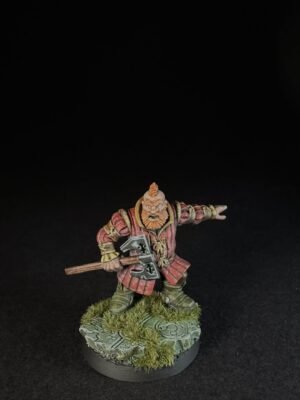
Welcome to the Chronicles, the digital home for my passion for miniature painting, tabletop gaming, and the general hobby life. If you are a regular reader of the Weekly Waffle, you know I usually have my hands full cleaning mold lines off Warhammer figures, messing around with Blood Bowl coaches, or chasing after the latest indie skirmish game.
I’m no competitive grandmaster or Crystal Brush guru, just a guy who loves the smell of primer and sometimes gets severe “hobby butterflies.”
Today, we are taking a break from the painting desk to step into the theatre of the mind. I’ve been digging back into the Dungeons & Dragons rules over at D&D Beyond to look at a classic archetype: the Dwarf Fighter.
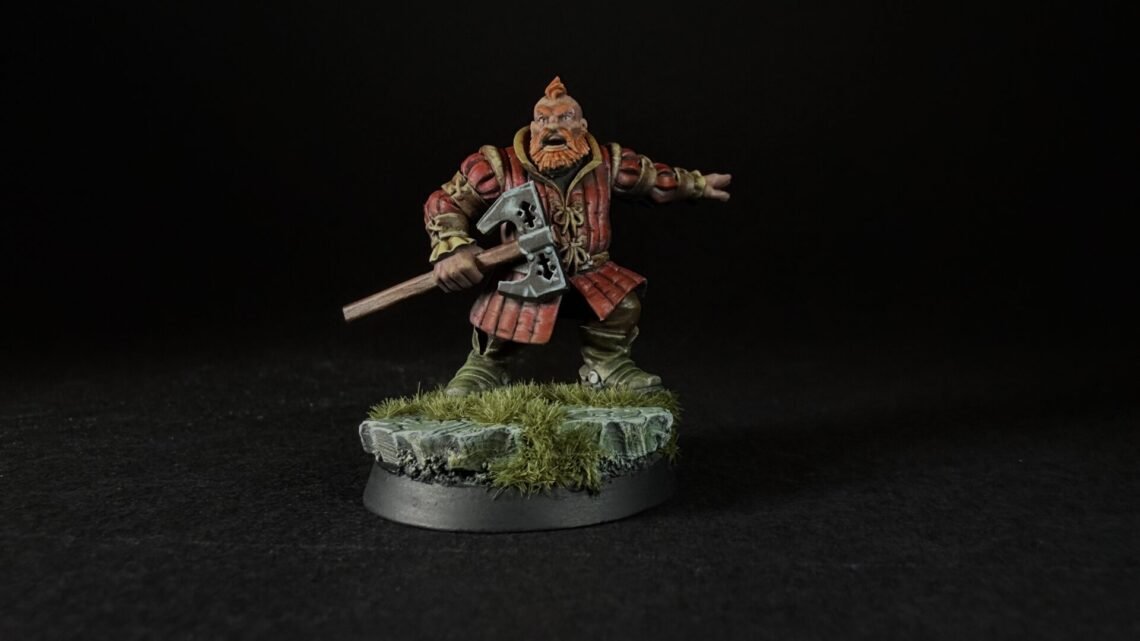
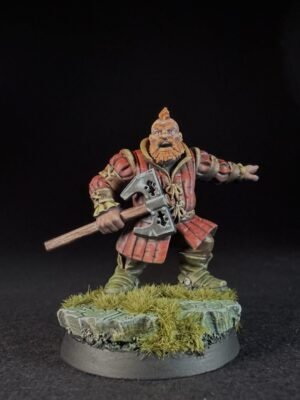
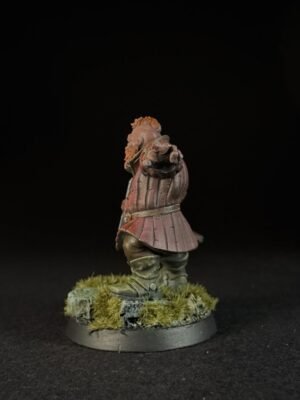
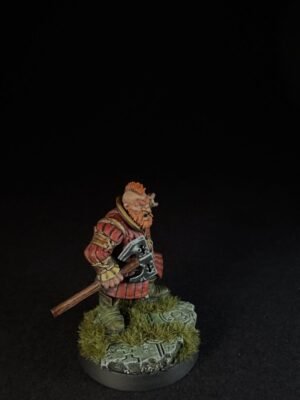
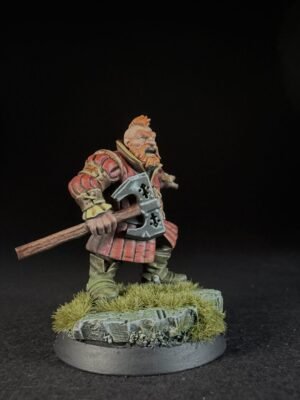
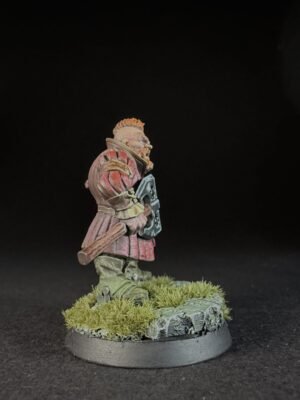
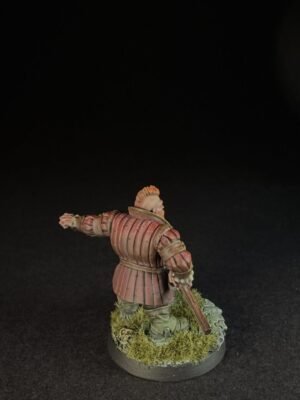
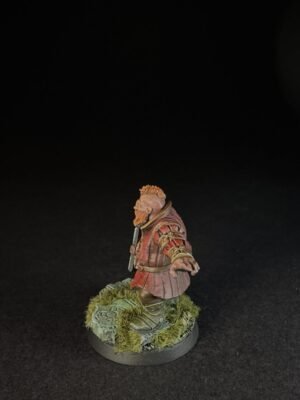
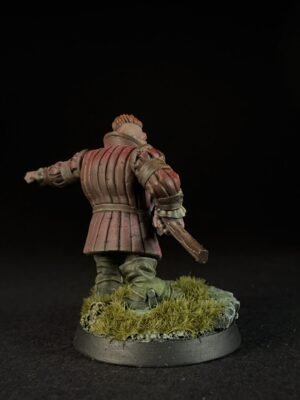
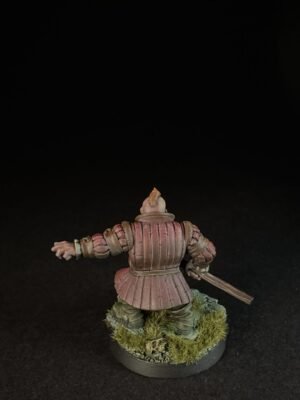
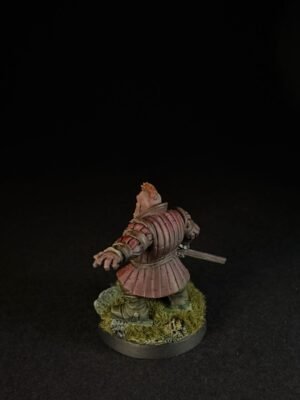
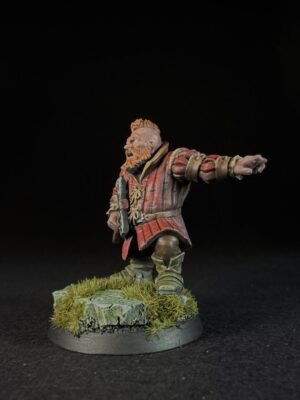
Specifically, we’re dissecting a build inspired by a miniature I’ve picked up as a painting project, a stocky dwarf clad in quilted armour, gripping a, double-headed axe.
Let’s dive deep into the lore and the actual tabletop mechanics of running this character in D&D.
The Lore: Foundations of Stone and Iron
To understand why this character works, you have to look at the underlying lore of D&D. In the worlds of D&D, dwarves are shaped by the earth itself. They are a long lived race, deliberate, dependable, and fiercely loyal to clan and tradition.
A dwarf’s weapon isn’t just gear; it’s a piece of family history. The double headed axe carried by our fighter likely bears the runes of ancestors who cleared goblin infestations from underground tunnels centuries ago. For a dwarf, fighting isn’t a job, it’s a cultural duty.
Then we have the choice of quilted armor. While people often think of dwarves clad in heavy, clanking plate mail, there is a deep practical lore behind padded or quilted cloth armor (often known historically as a gambeson). In the tight, echoing corridors of a subterranean mountain hold, heavy iron plate can be loud, cumbersome, and prone to scraping against tight rocky crevices.
Quilted armor represents a fighter who values mobility, stealth, and heat regulation. It is a practical scout or vanguard fighter, someone who needs to move quickly through the dark tunnels to sound the alarm before the main army marches out.
Mechanics and the In-Game Role: The Frontline Anchor
When you look at the D&D rules, the Fighter class is the ultimate master of martial combat. Every other class uses magic, stealth, or divine favor to survive, but the Fighter relies purely on stamina, training, and the cold steel in their hands.
Our dwarf is built to act as the frontline anchor of the adventuring party.
1. The Weapon: High Risk, High Reward Combat
Armed with a double headed axe, this character is using a two handed weapon, which mechanically translates to a Greataxe in the D&D rules. A Greataxe deals a massive 1d12 of slashing damage. It is a weapon built for raw power.
- The Role: Striker and Executioner. With a d12 damage die, this dwarf isn’t poking at enemies with a rapier; they are clearing space. In a narrow cavern or a dungeon corridor, a sweeping strike from a double headed axe can split a bugbear clean in two.
2. The Armor: The Agility Compromise
By wearing quilted (padded) armor, this fighter chooses light armor over heavy plate. In D&D, light armor adds your full Dexterity modifier to your Armor Class (AC).
- The Role: Skirmisher and Vanguard. Unlike the classic “tank” dwarf who relies on heavy iron to deflect blows, this fighter relies on quick reflexes and the absorbing layers of dense quilting. This build allows the dwarf to avoid disadvantage on stealth checks, making them an excellent tunnel scout who can creep up on an enemy encampment before unleashing a furious axe attack.
3. Class Features: Action Surge and Second Wind
What truly makes the D&D Fighter shine are their core class features:
- Second Wind: A fighter can draw on a well of stamina to protect themselves from harm, regaining hit points as a bonus action. It represents the legendary dwarven resilience, shrugging off a blow that would kill a lesser being.
- Action Surge: The defining feature of the class. Once per short rest, this dwarf can push past normal physical limits to take an extra action on their turn. In practice, this means launching a devastating flurry of axe swings in a single breath, turning the tide of a chaotic melee.
Bringing It to the Table
In the grand scheme of an adventuring party, this dwarf bridges the gap between a fragile rogue and a slow, heavily armored paladin. They hold the line, control the choke points, and ensure the party’s spellcasters have the space they need to cast their magic safely from the backline.
Whether you are writing a backstory for your next campaign or looking for a reason to finally paint that dwarf mini sitting on your desk, this archetype proves you don’t need magic to be legendary. You just need a sharp axe, a sturdy pair of boots, and the grit to stand your ground.
For a fantastic look at how the Fighter class operates mechanically at the tabletop, check out this D&D Fighter Class Guide which breaks down the builds, tactics, and features you need to optimise your next character.


You May Also Like
Bonesaw
The Halfling Lineman – The Pint-Sized, Pie-Powered Paradox of Blood Bowl