Weekly Waffle #419 – The Bearded Battering ram of the Blood Bowl Pitch
9th May 2026
The Mojo
I’ve had another good week and I’m beginning to like it. No major drama at work or on the hobby front. Had a nice weekend with the wife and managed to sneak in a few cheeky bank holiday Sunday drinks. And on the hobby front the time I’ve had seems to all have gone well. I’ve even managed to service my compressor, well removed and refitted all the hoses with ptfe tape.
So no more slow leaks
I’ve also noticed that it wasn’t possible to save some of the pictures on the site when I switched things up. But that should start to change. It wasn’t something I did deliberately and know I’ve found the issue I’m going back through things and making sure the tick box that lets you download is enabled.
On The Work Bench
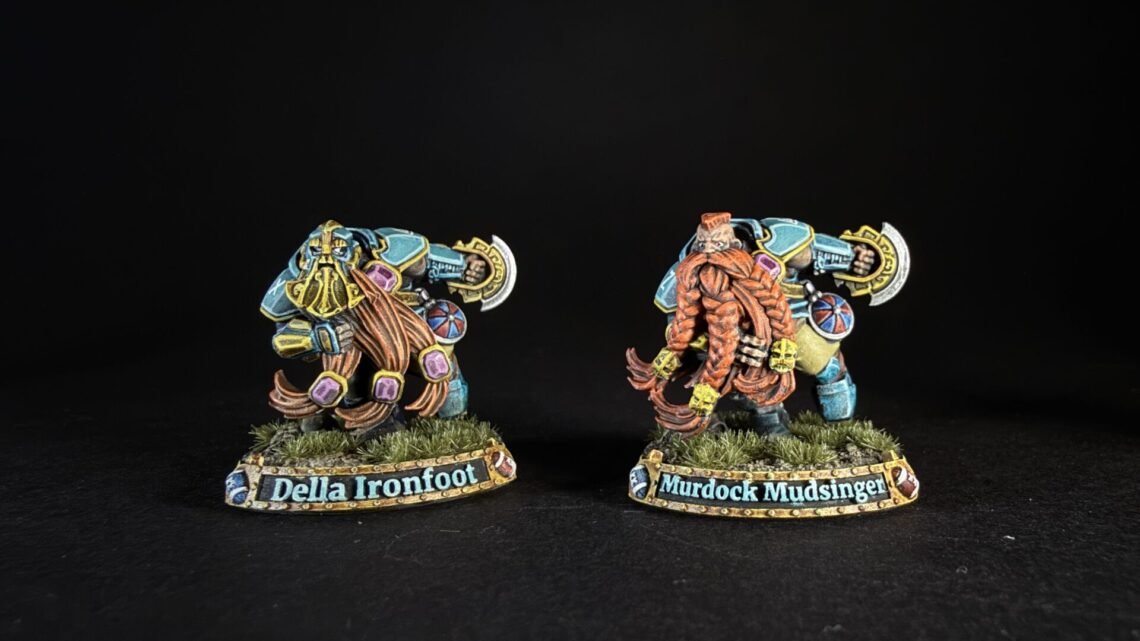
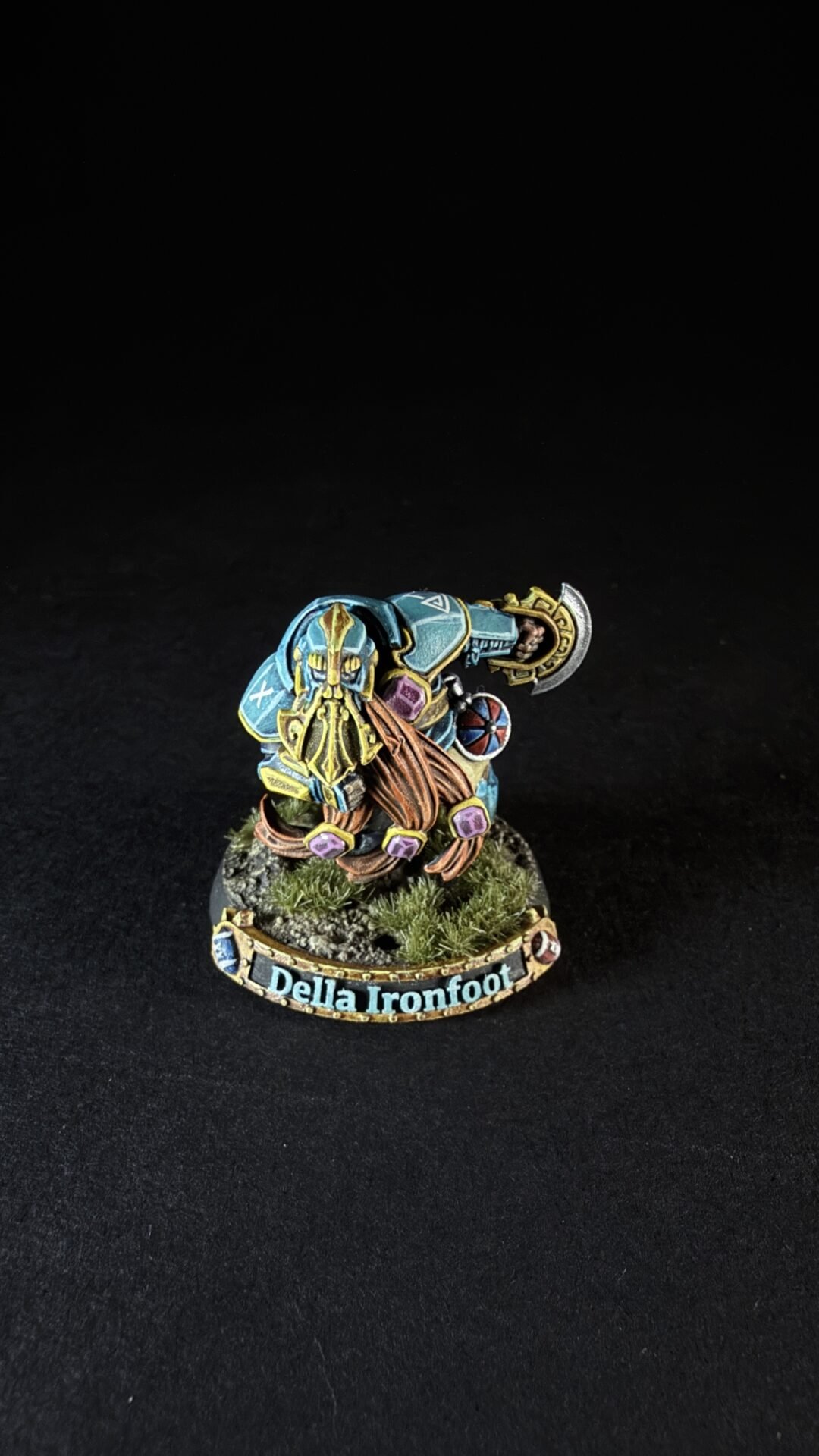
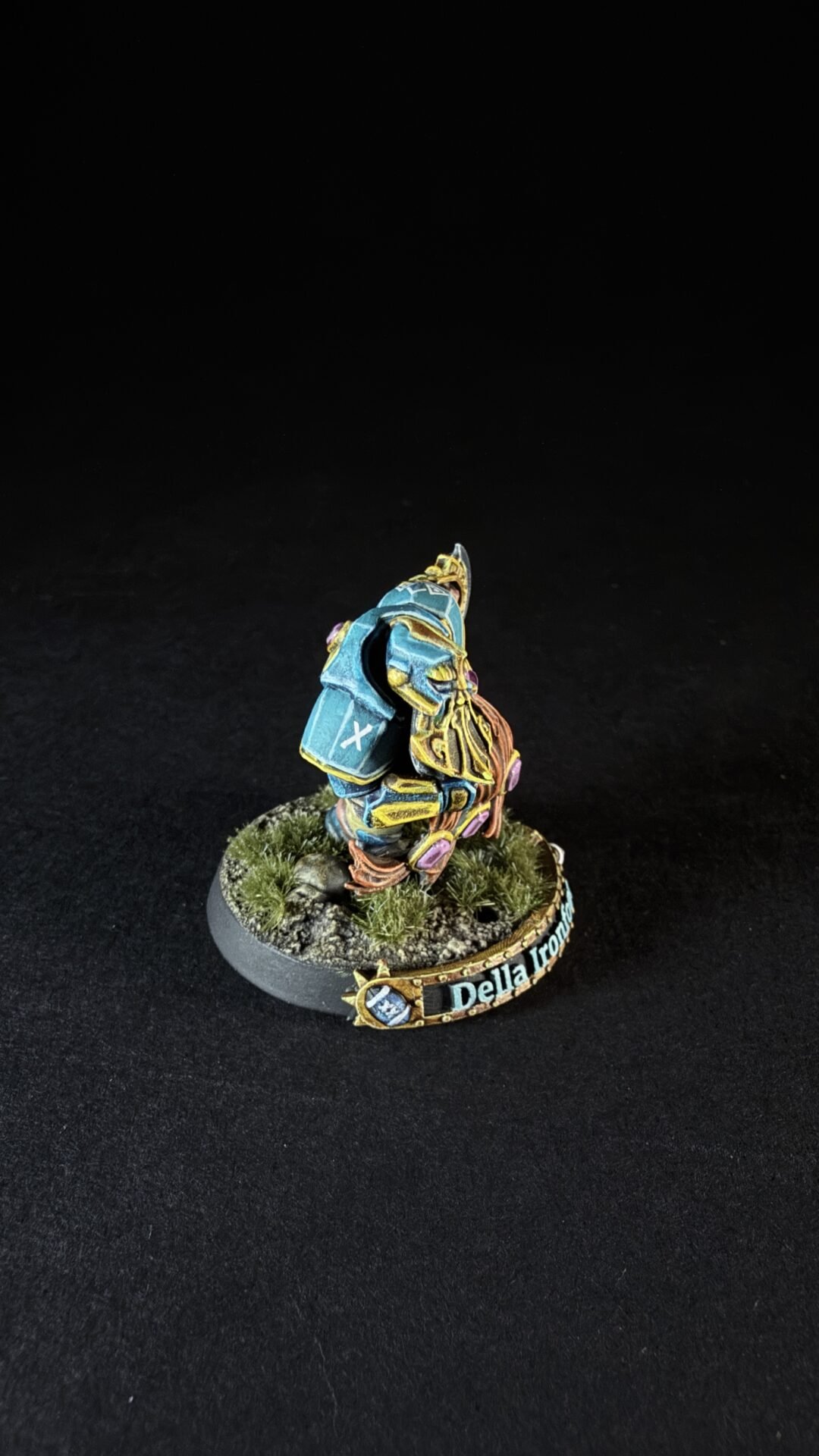
On the hobby front I’ve been wrapping up the last of the Dwarf team this week, or at least the last of the team who come in the dwarf box. I don’t know what it’s been about these guys but I’ve enjoyed every bit of my hobby time. They haven’t felt like a chore at any time and i’v just quietly got on with things. It’s been a nice change because I often find myself loosing the mojo and the end of a project becomes something of a chore.
In terms of painting nothing this week has been new and I’ve just been working to get these guys finished. And I’m very happy with how they have turned out. I think the whole team feels like a team and the little bits of grass on the base just bring the whole thing together, but what do you think.
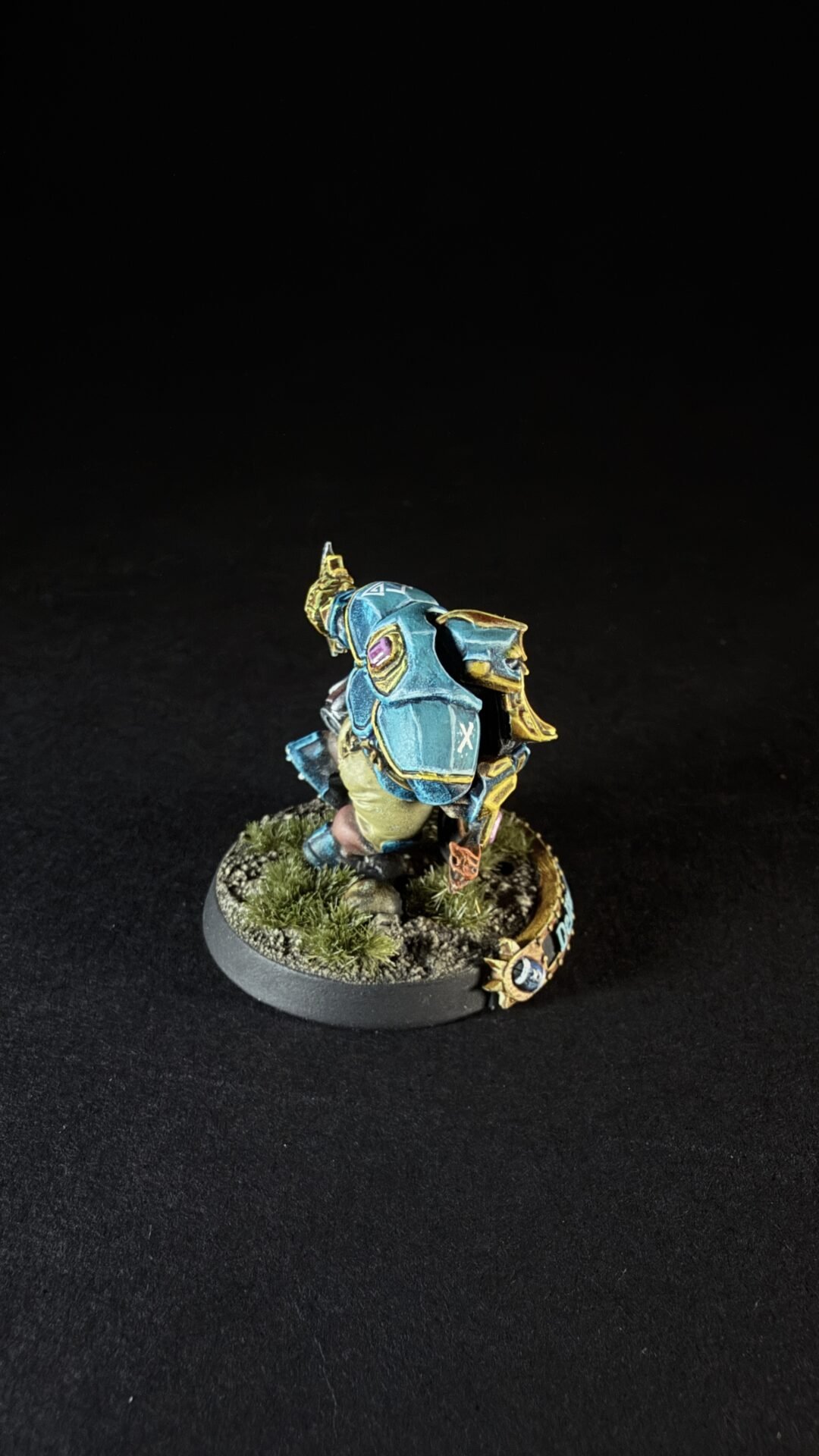
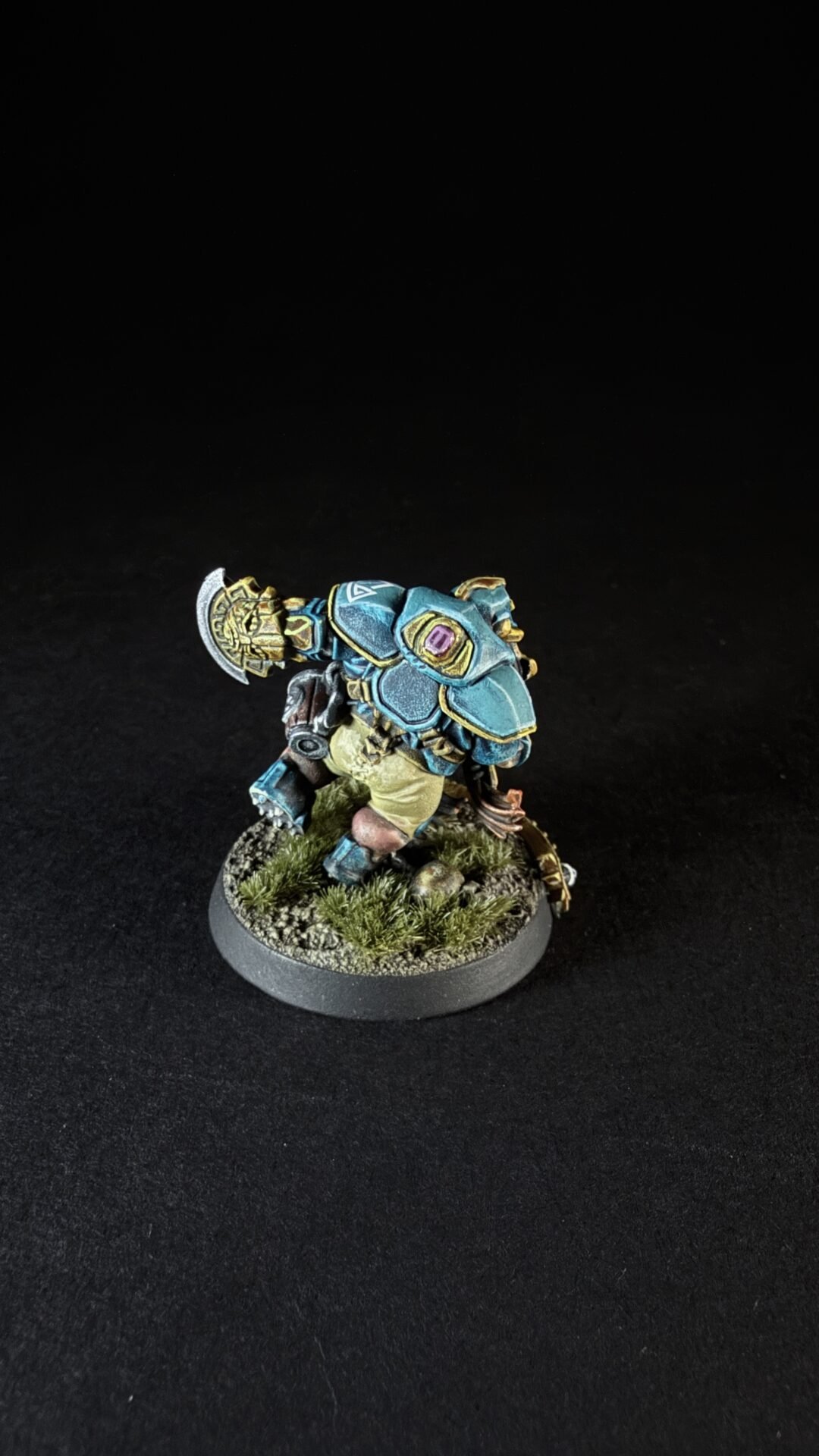
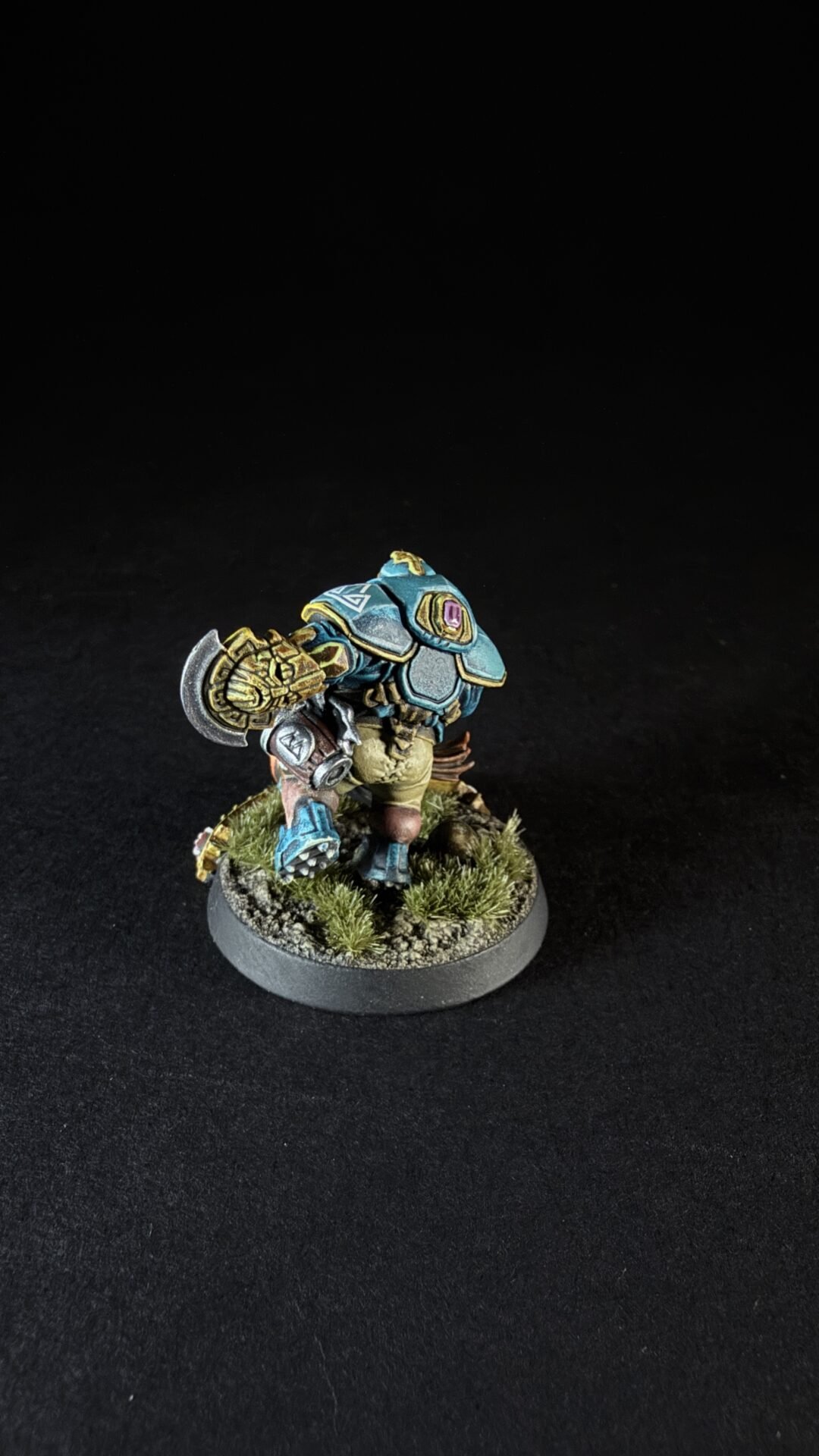
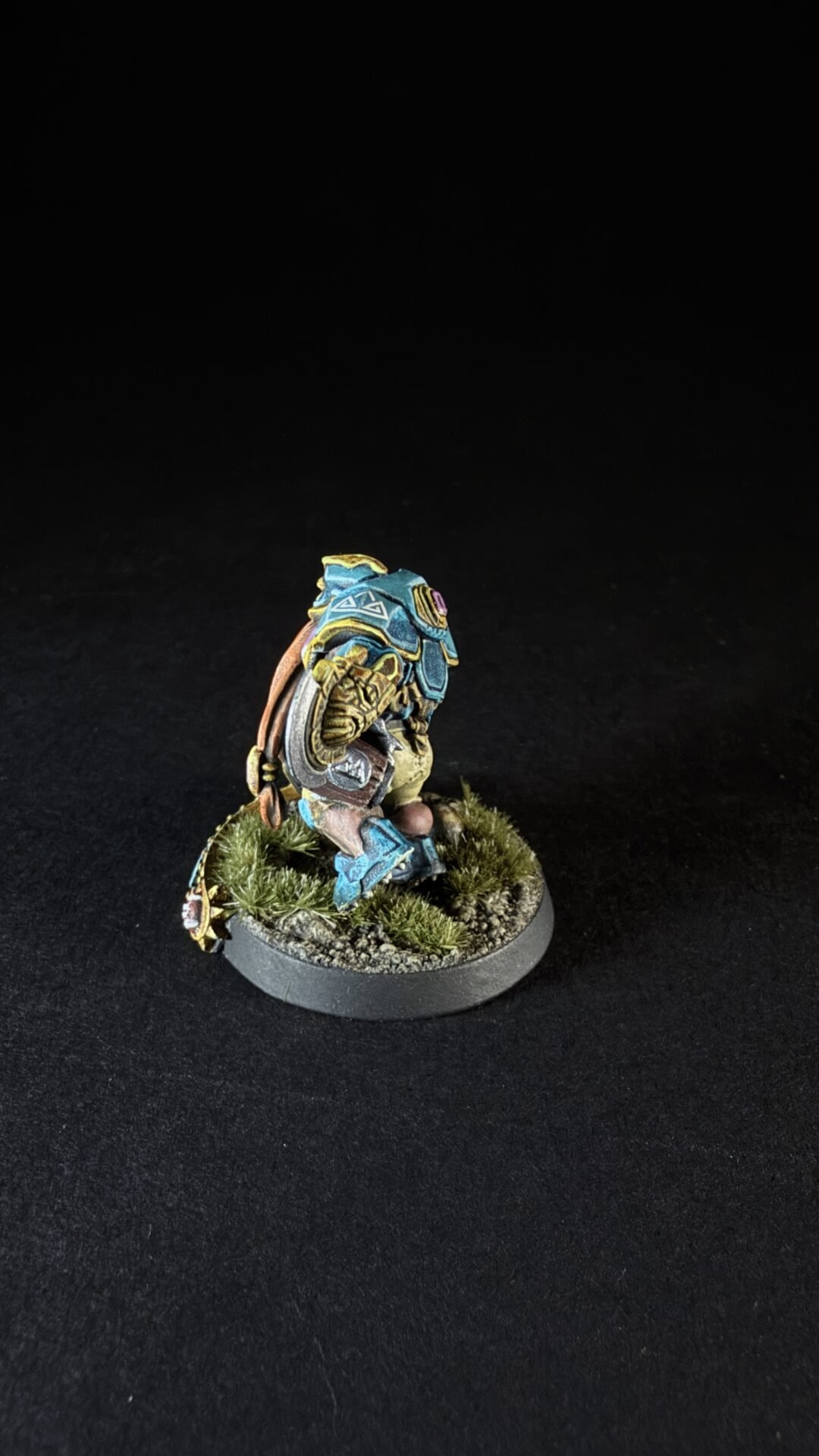
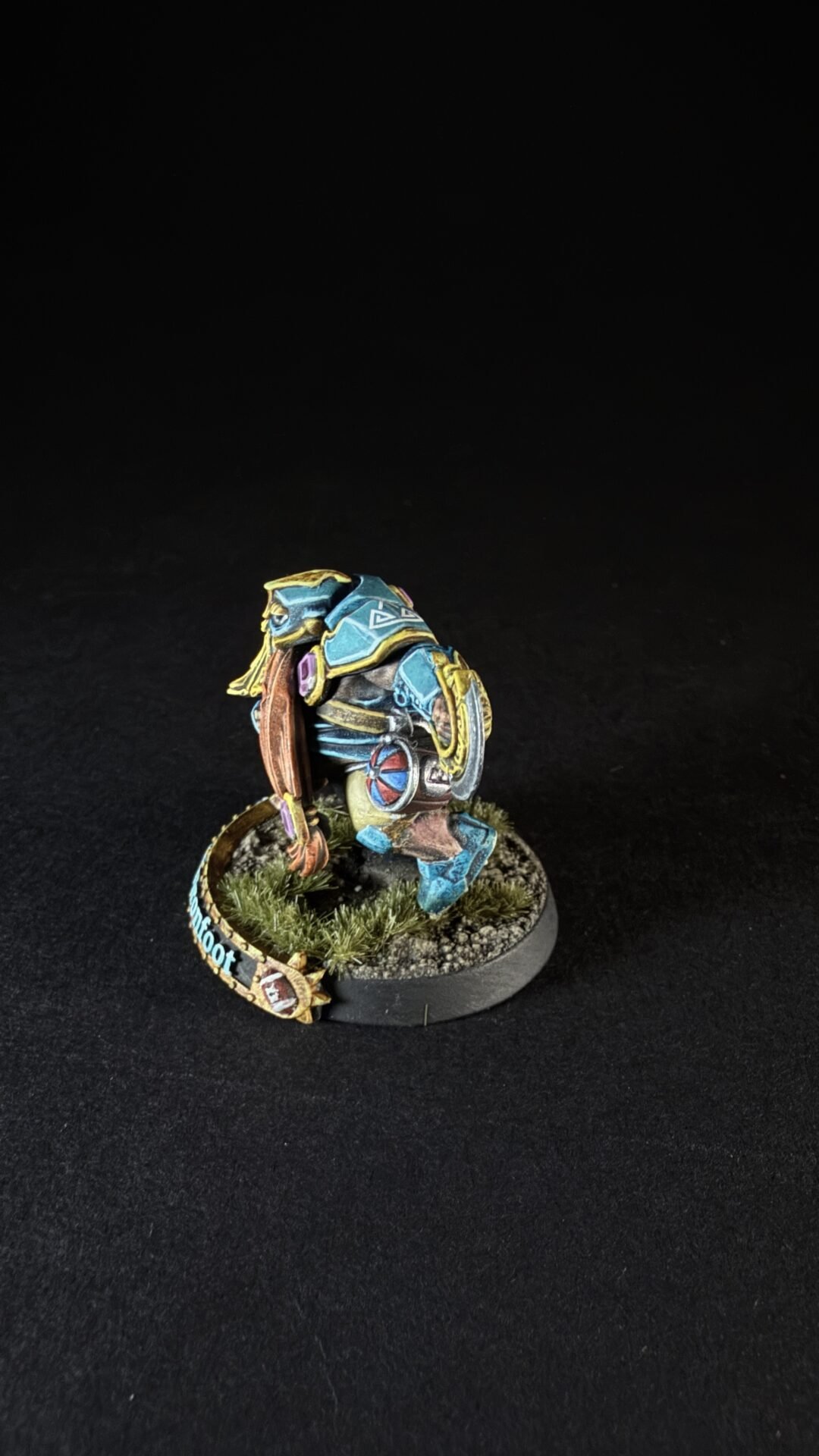
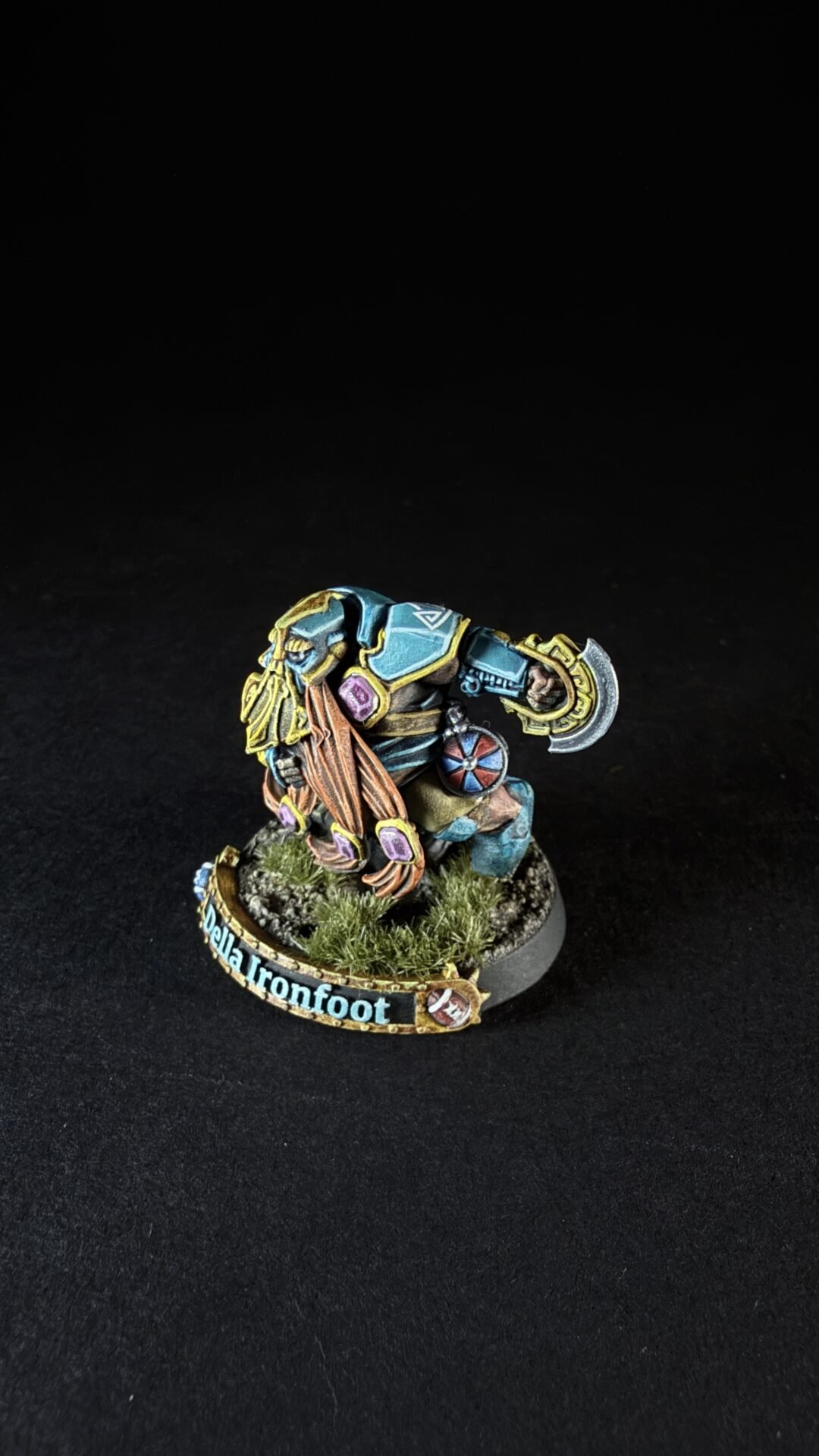
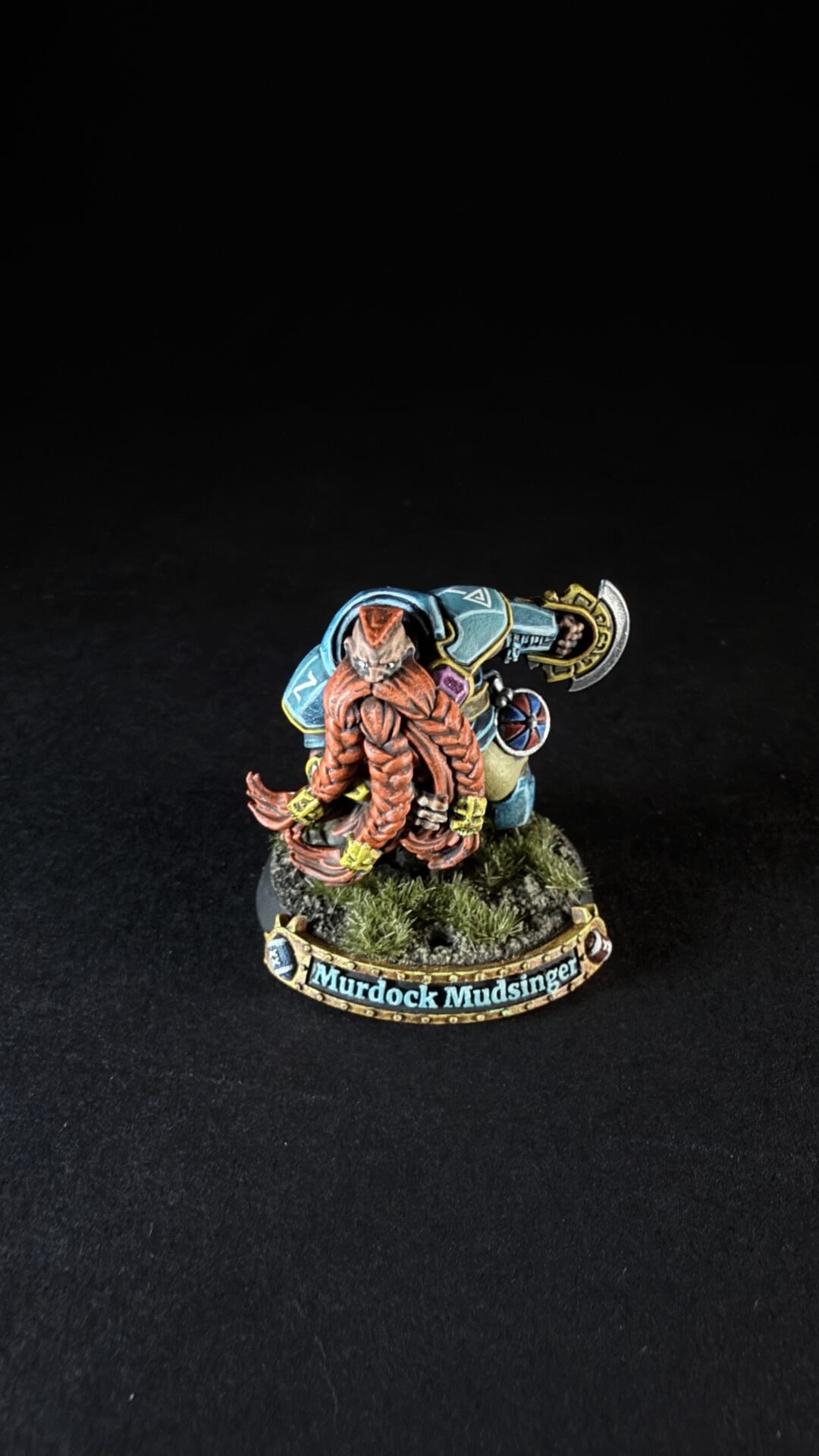
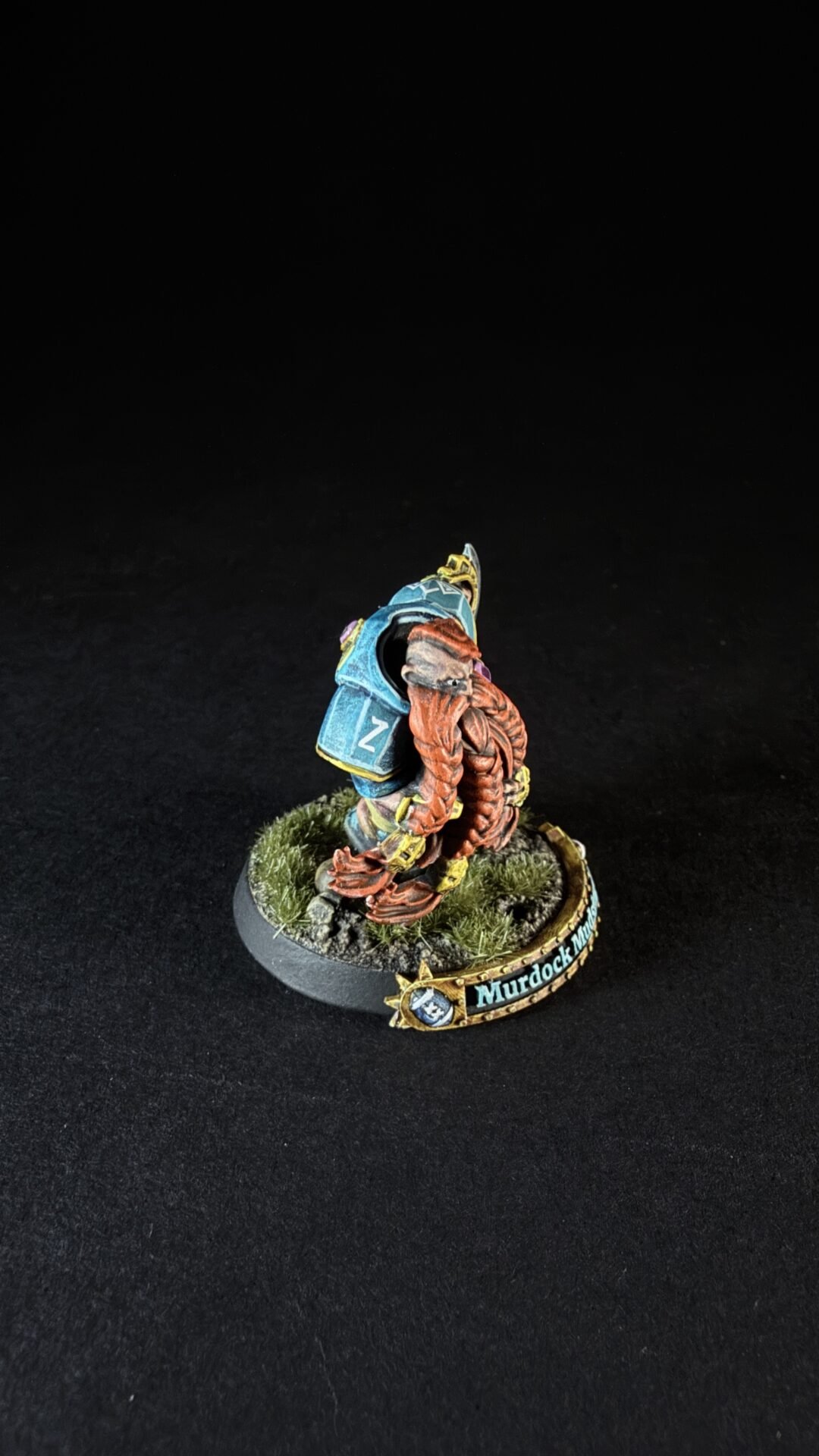
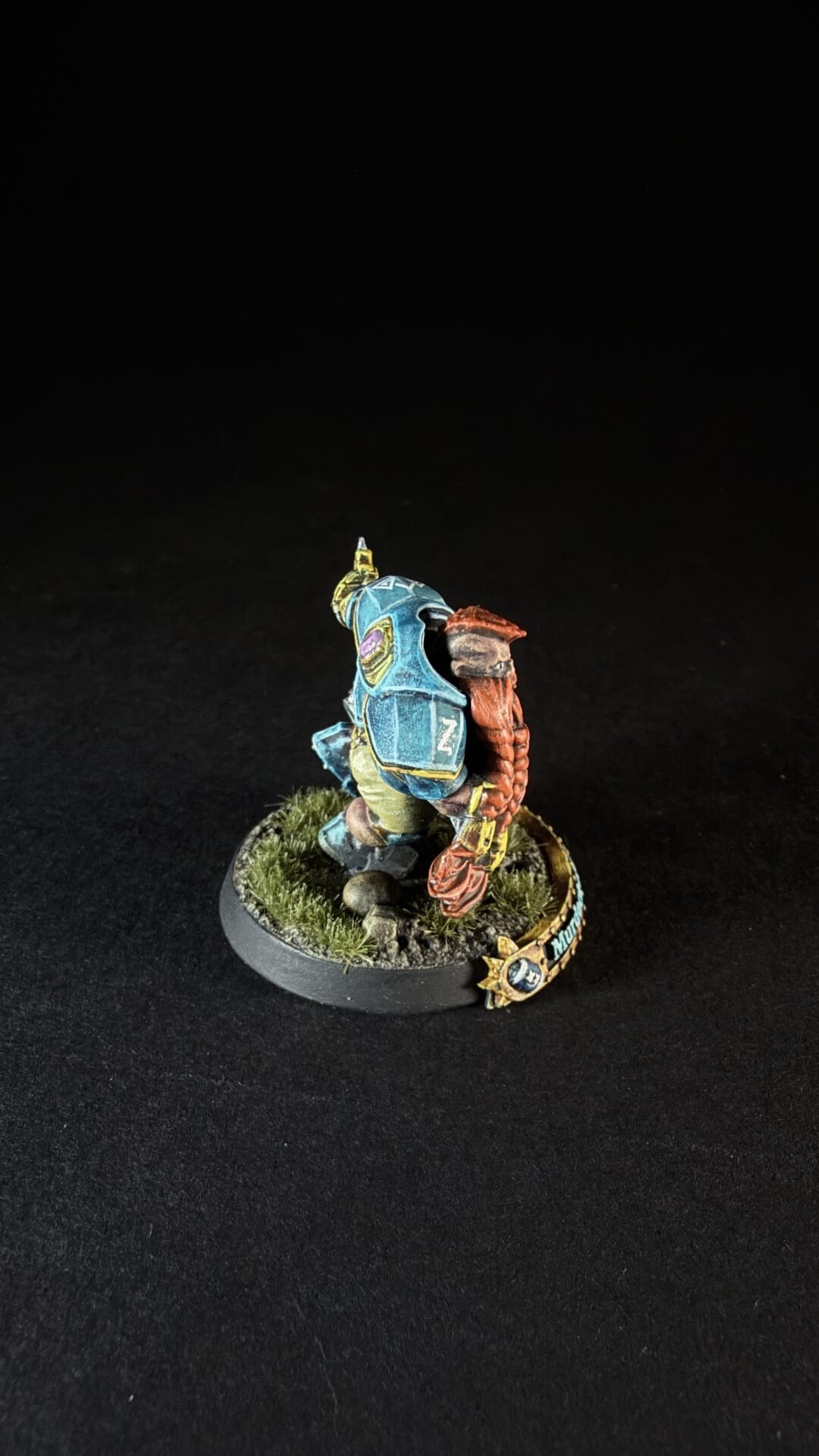
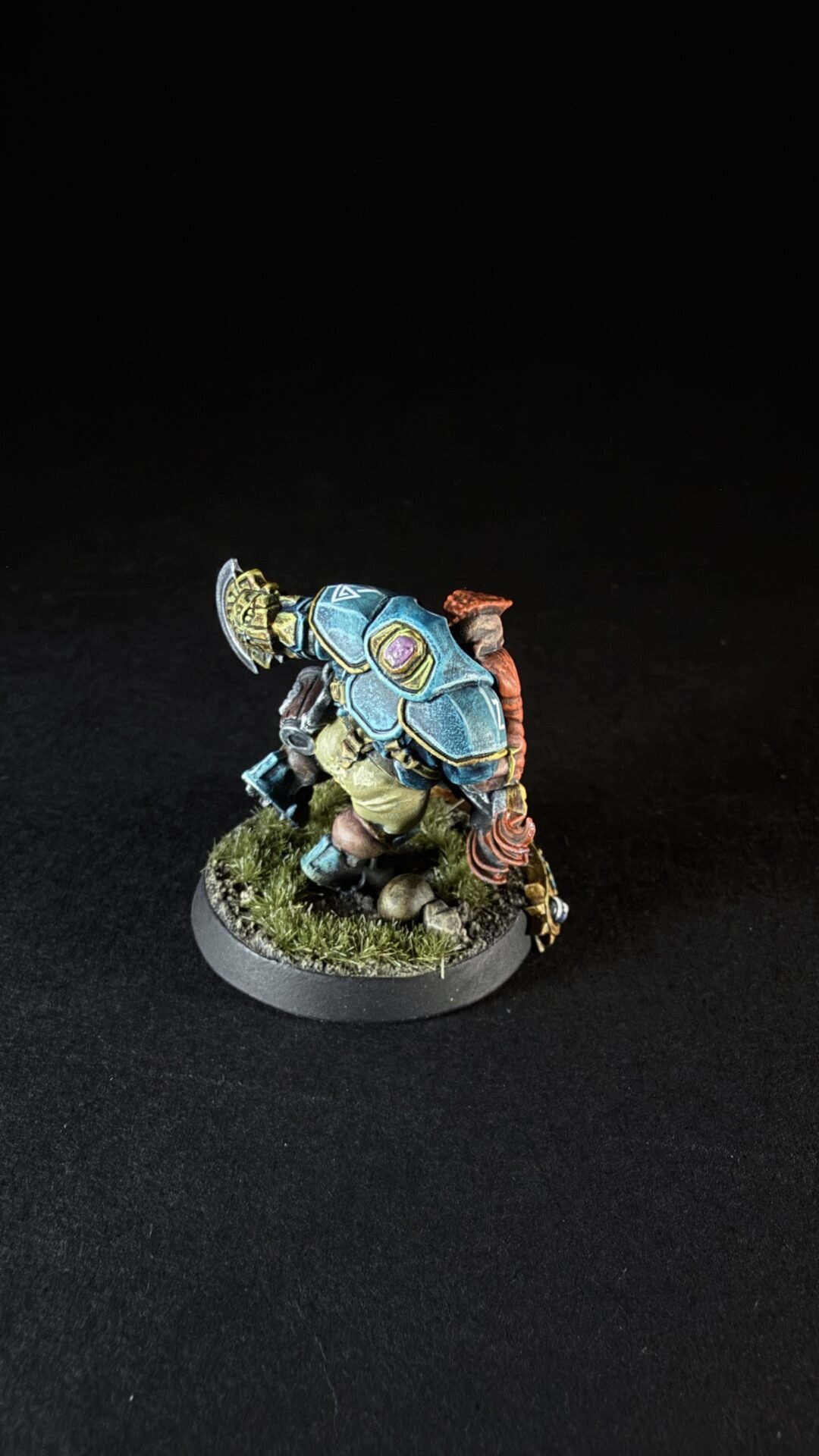
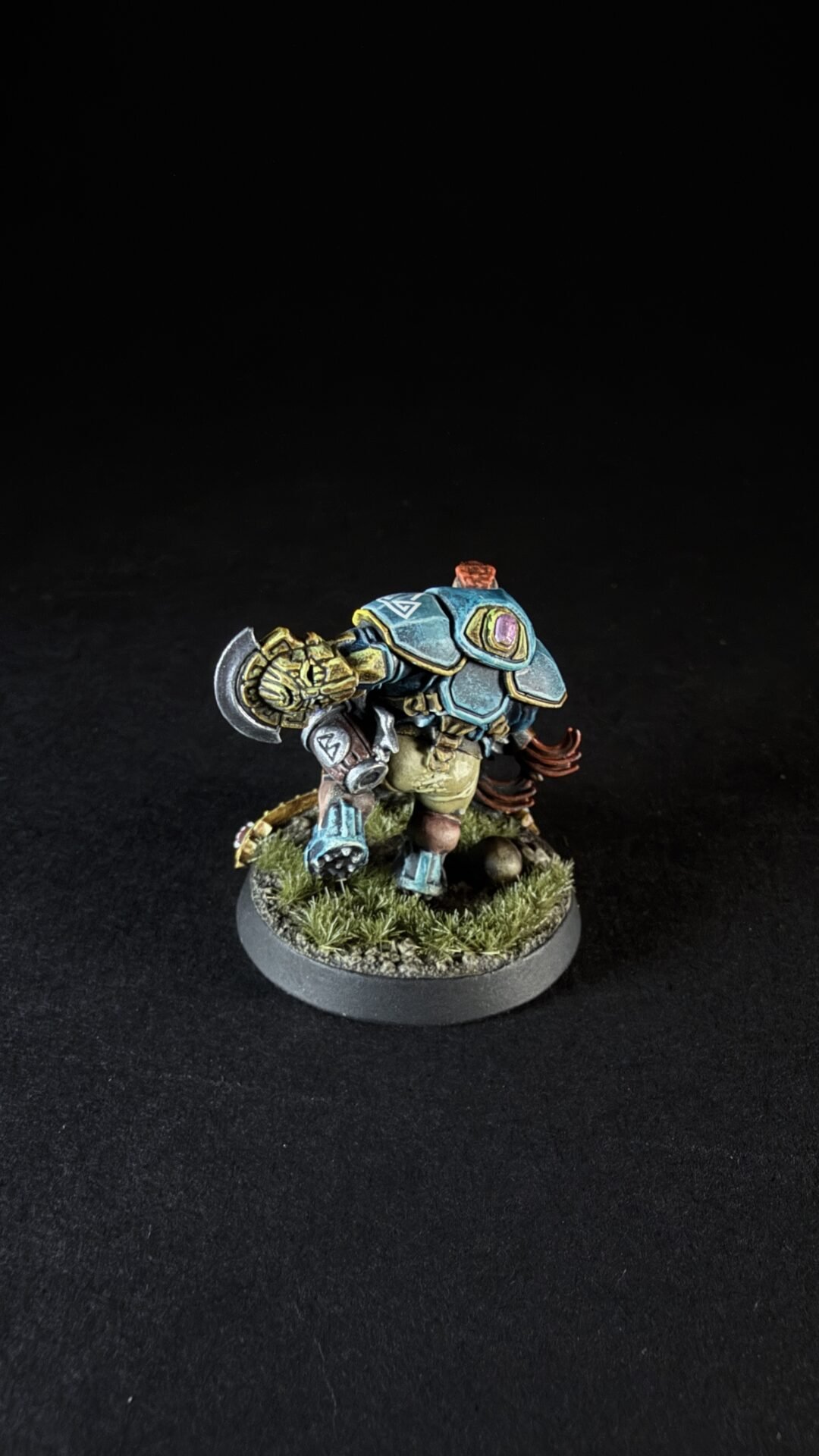
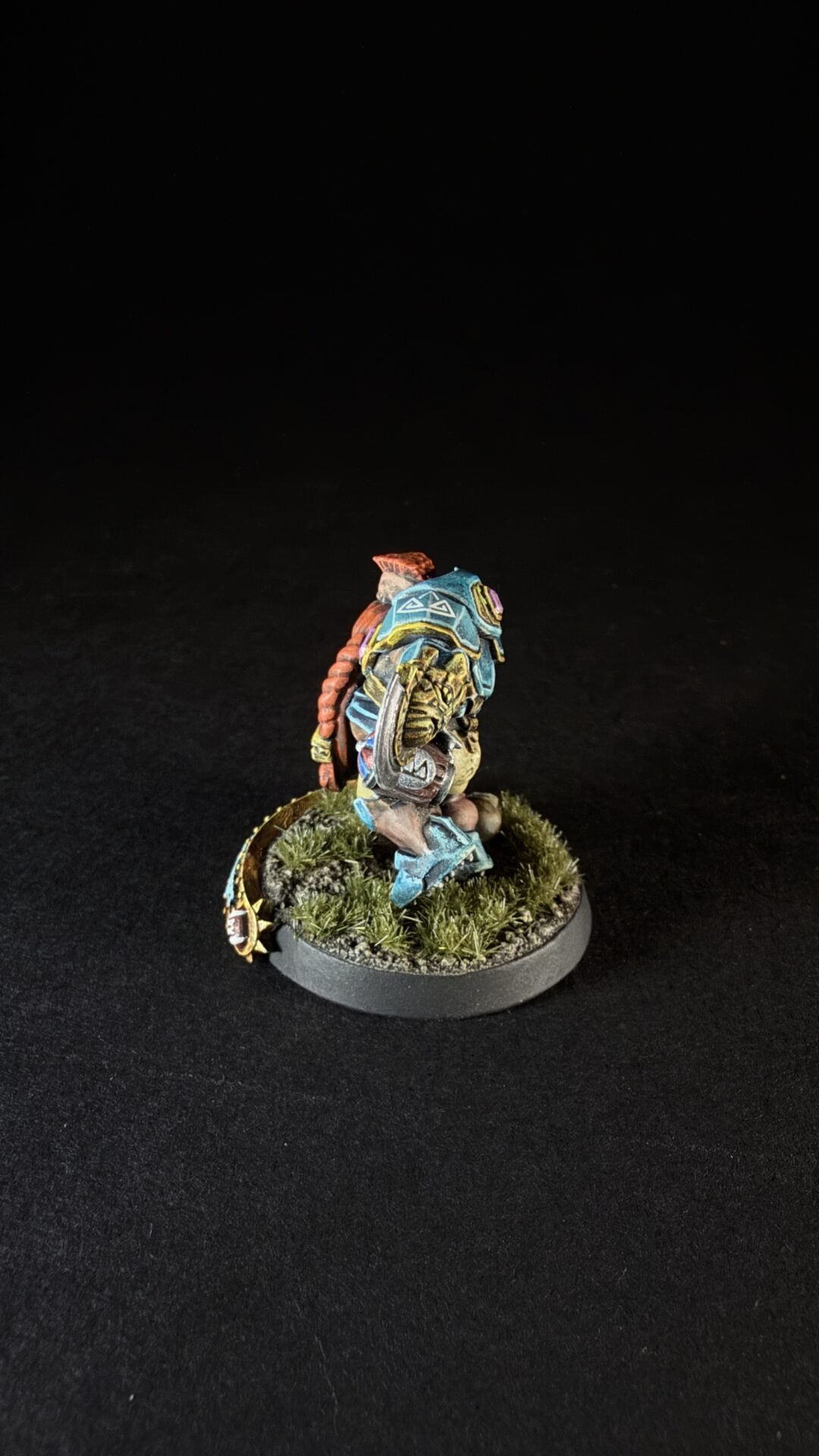
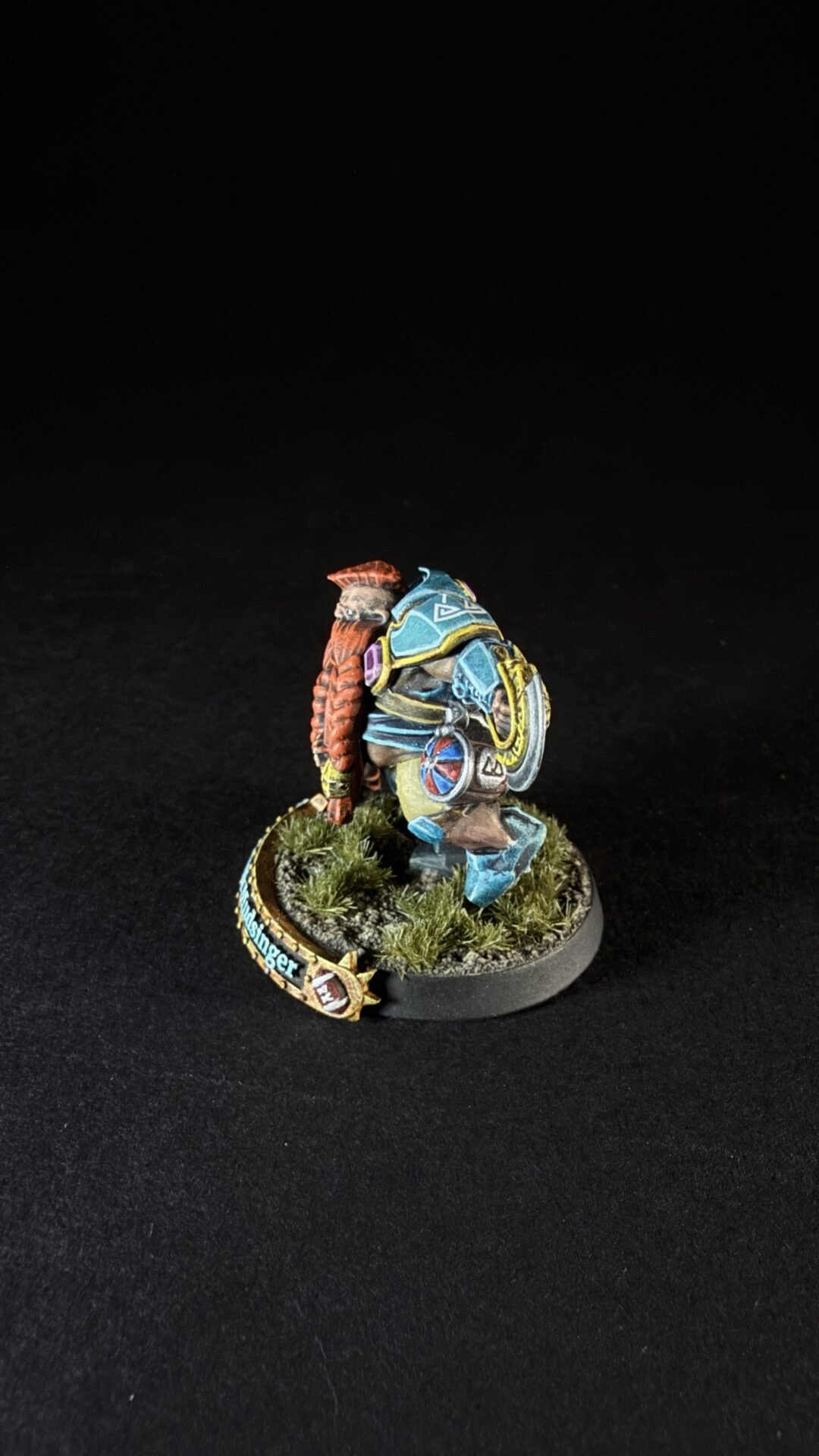
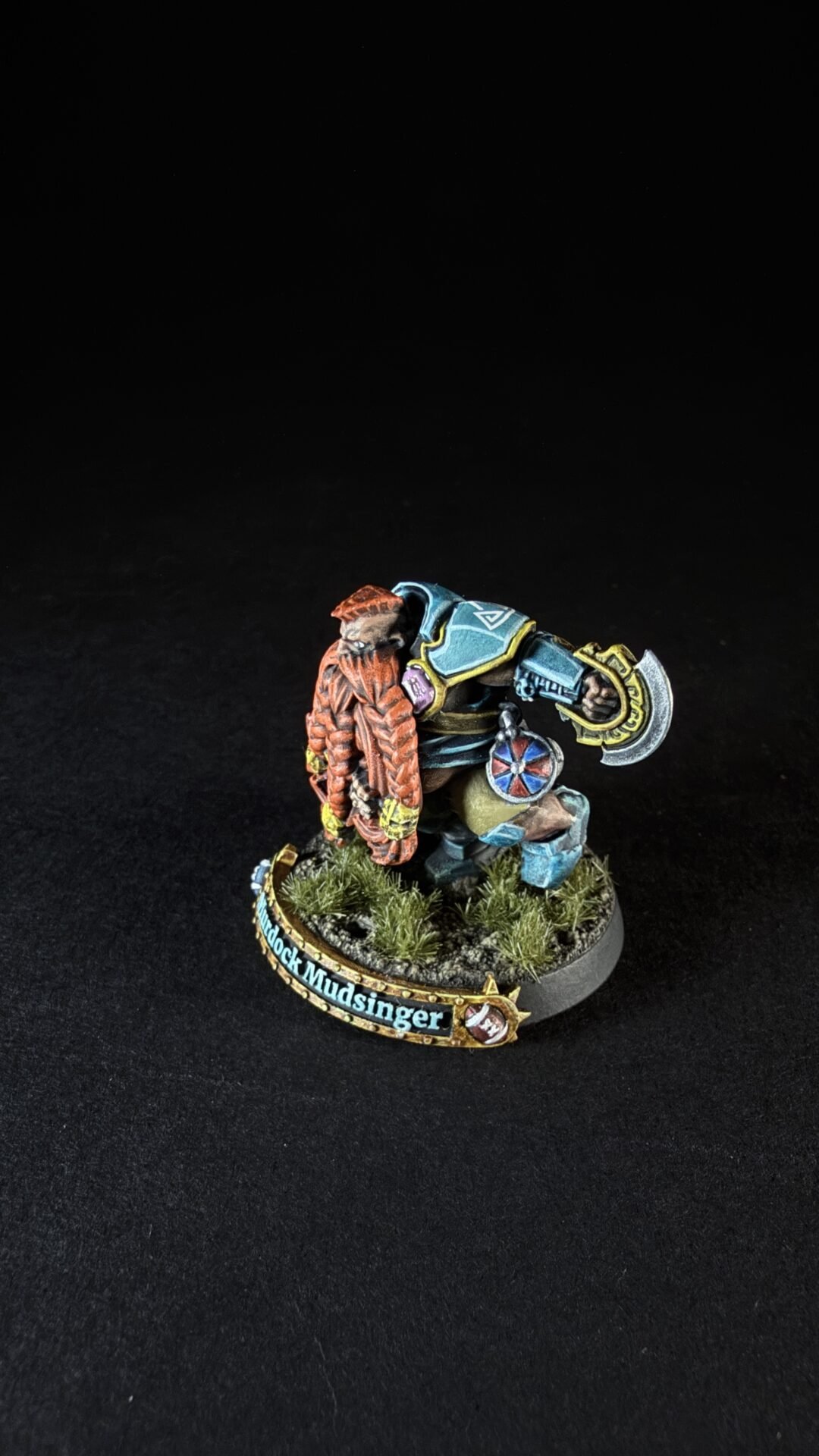
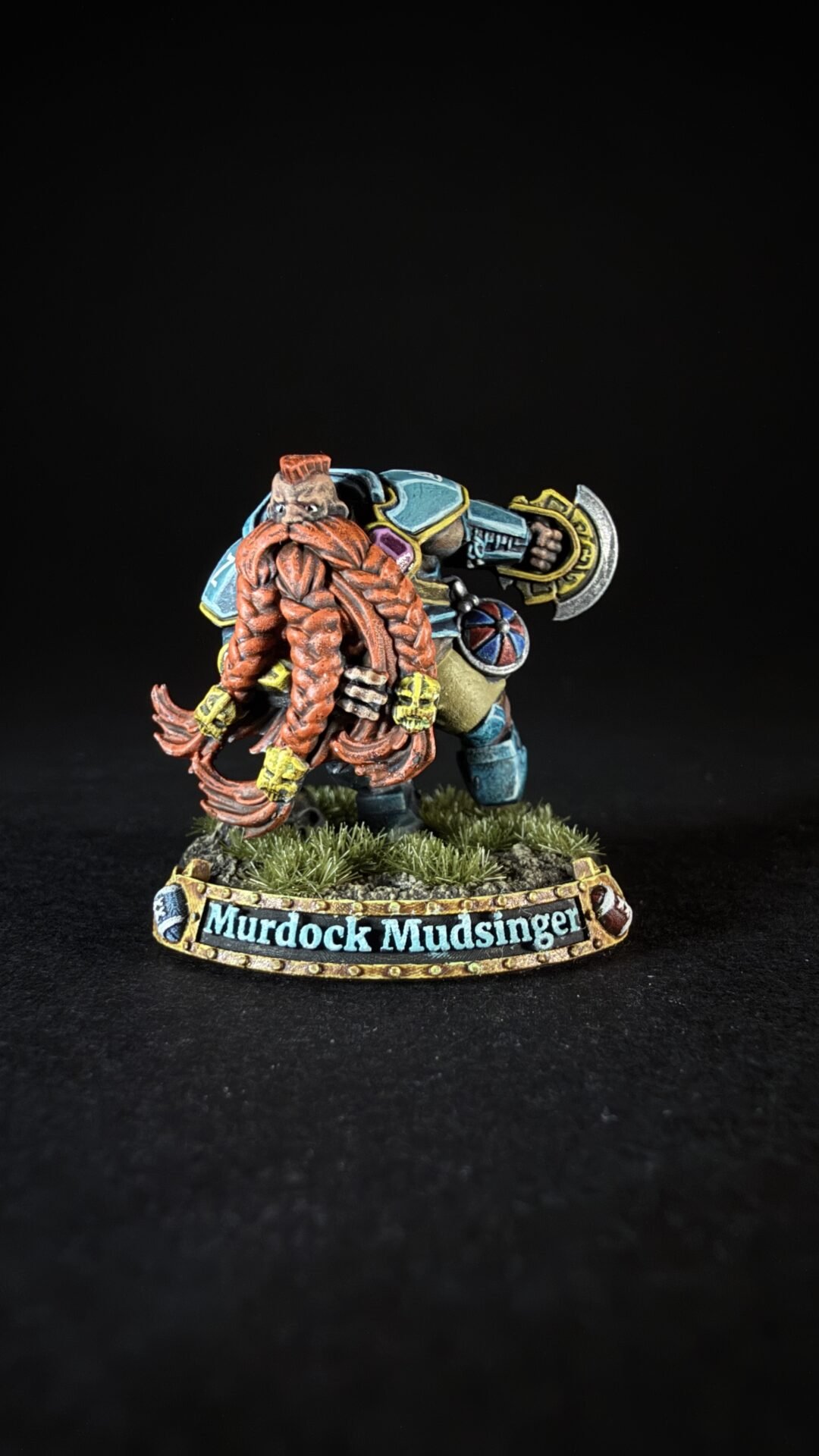
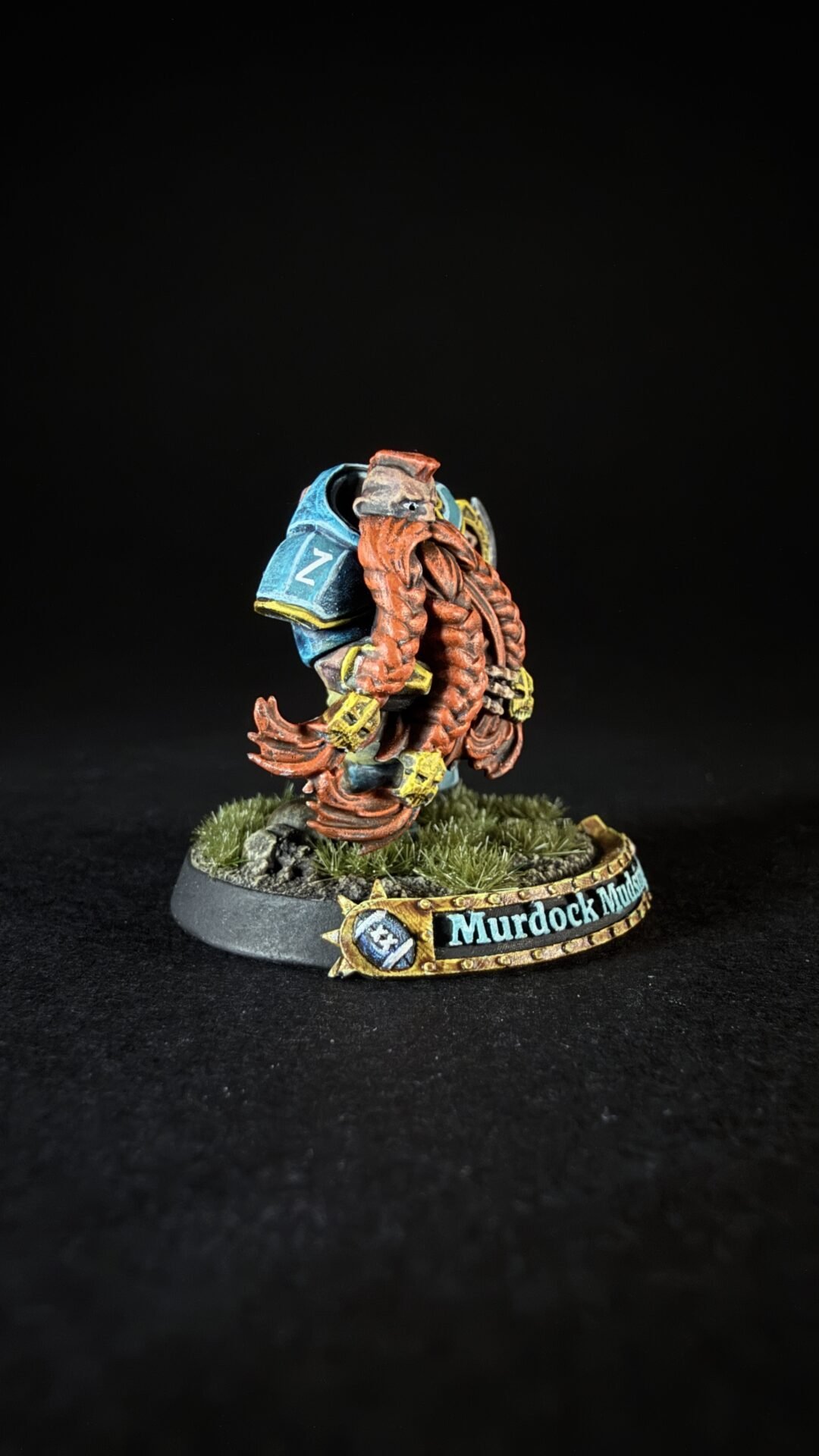
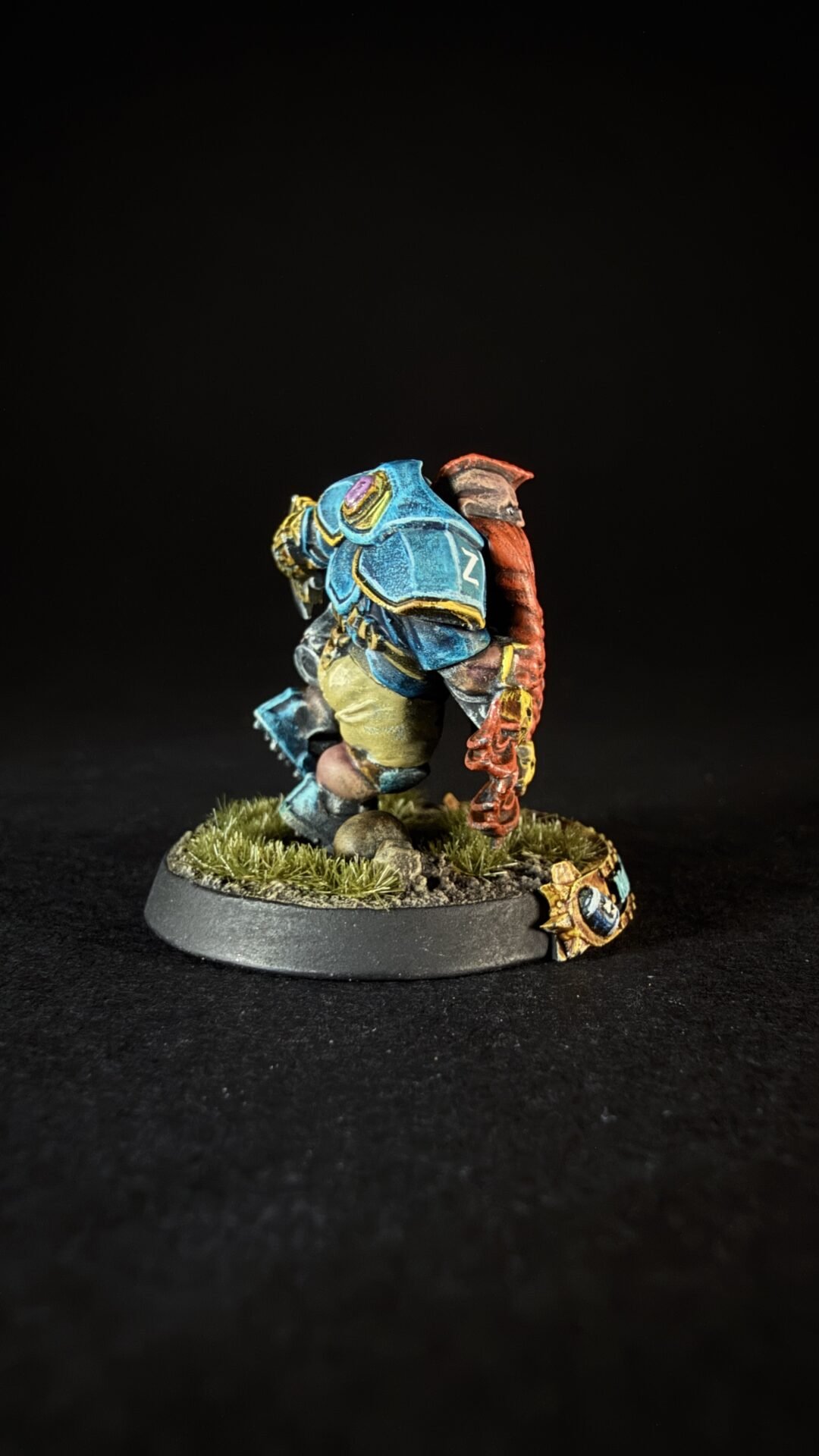
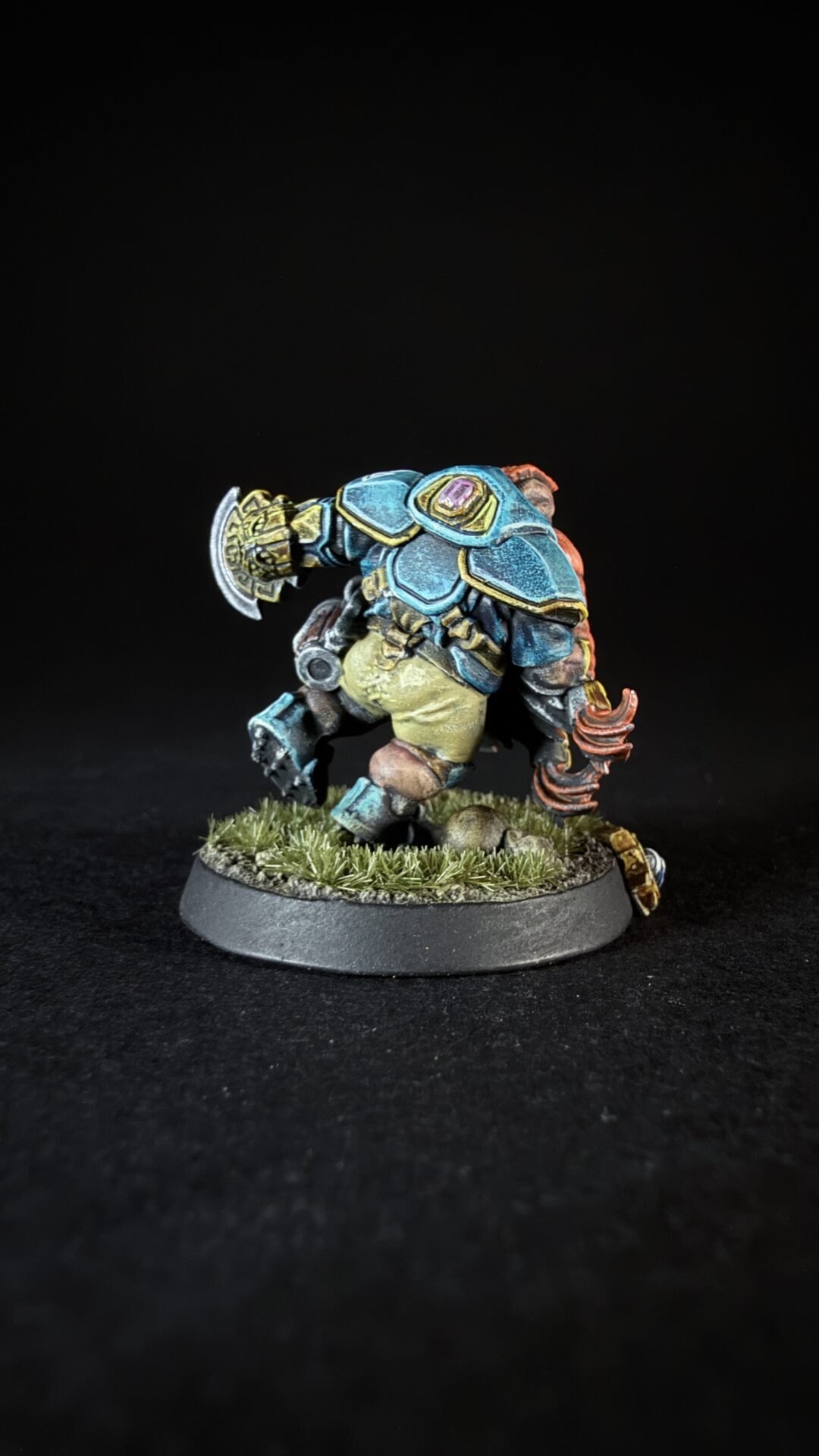
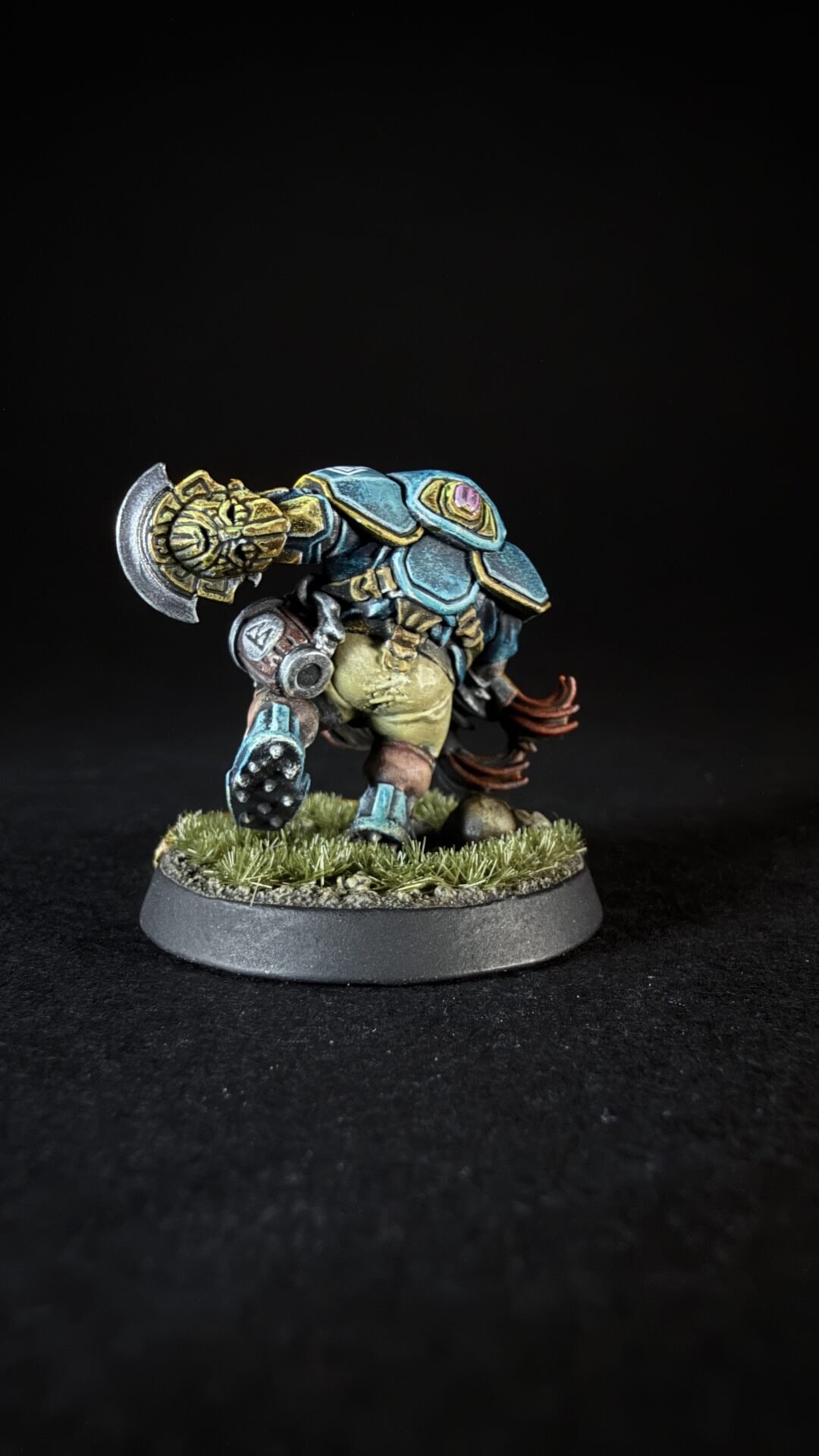
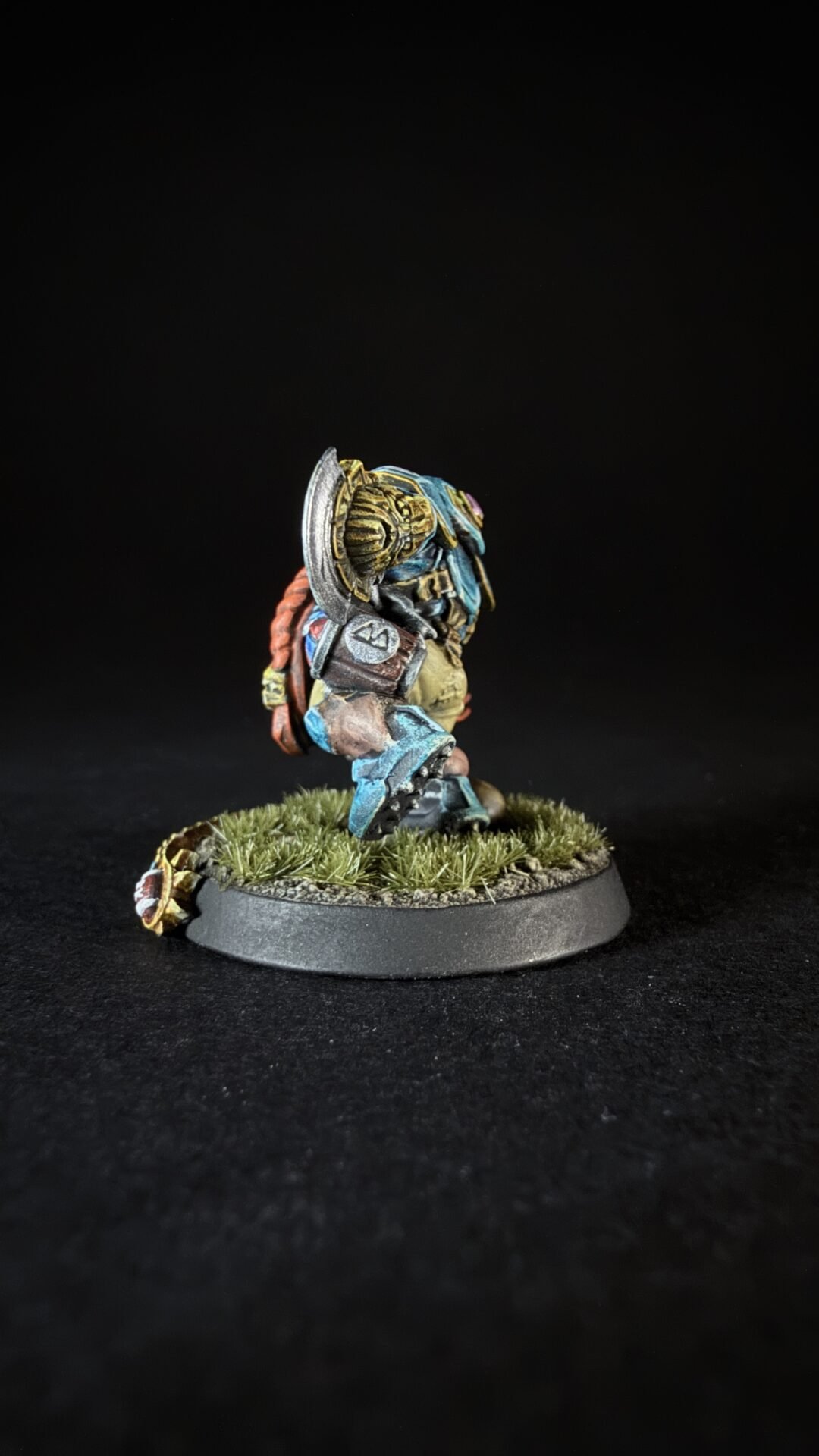
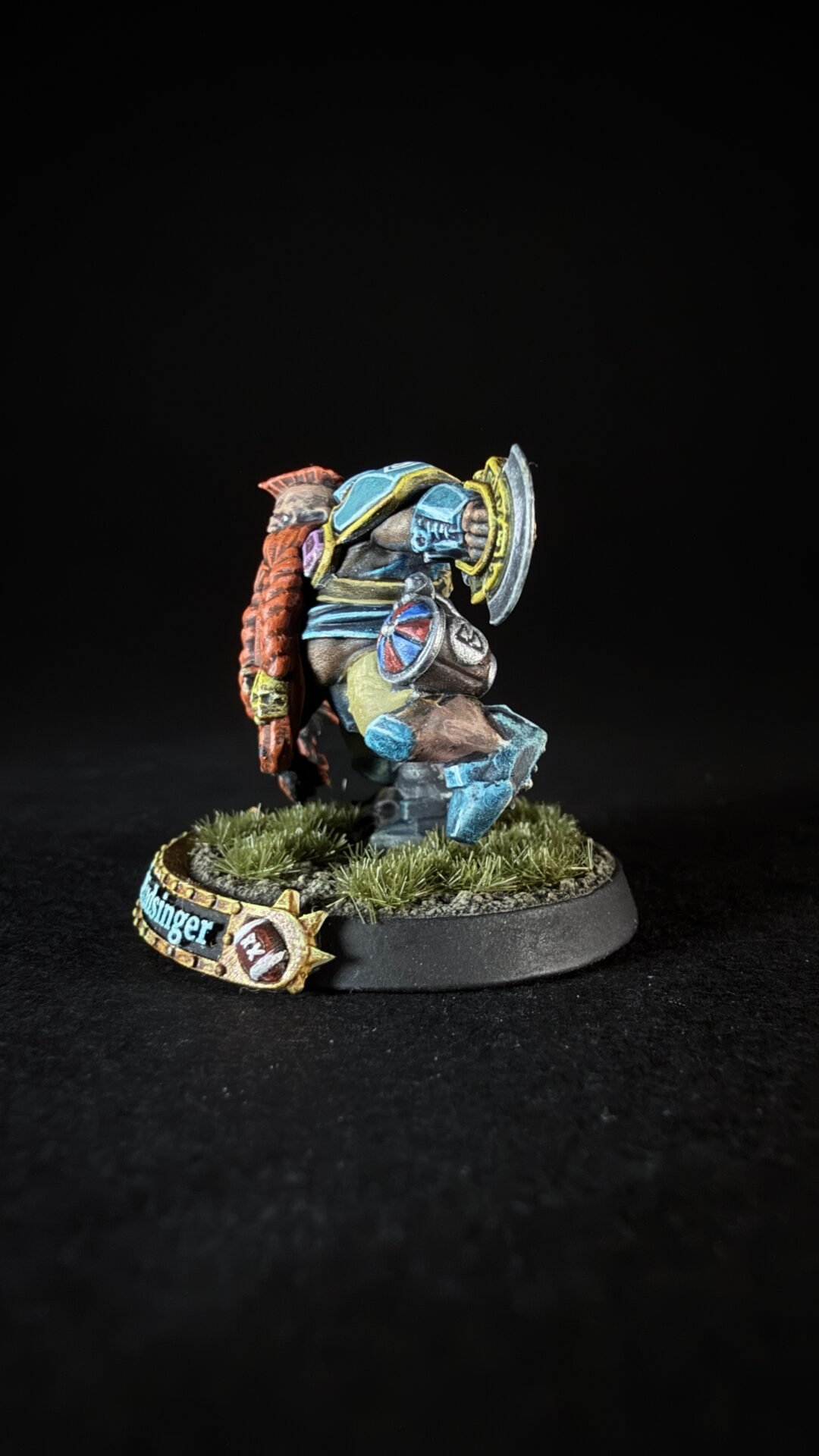
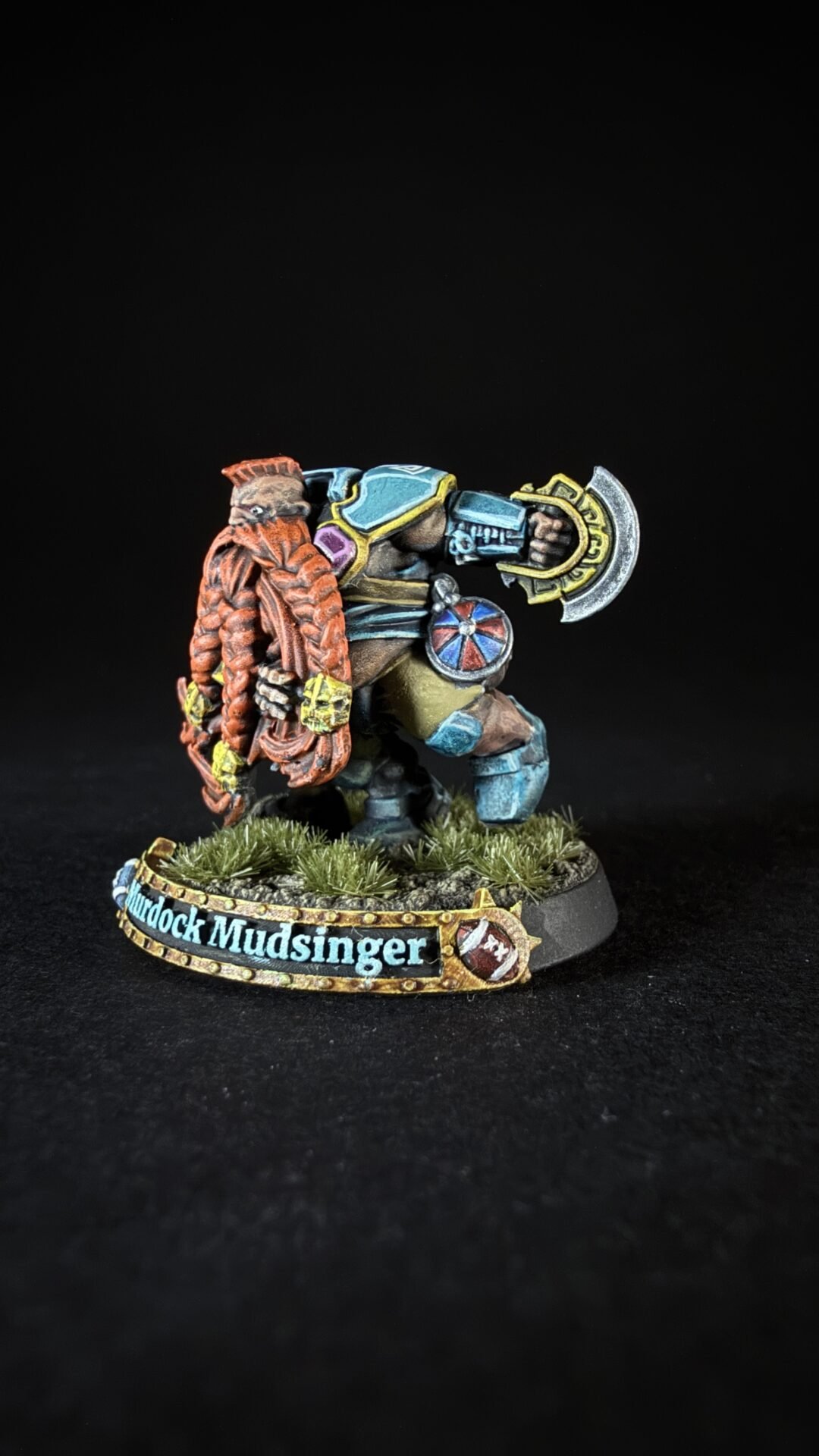
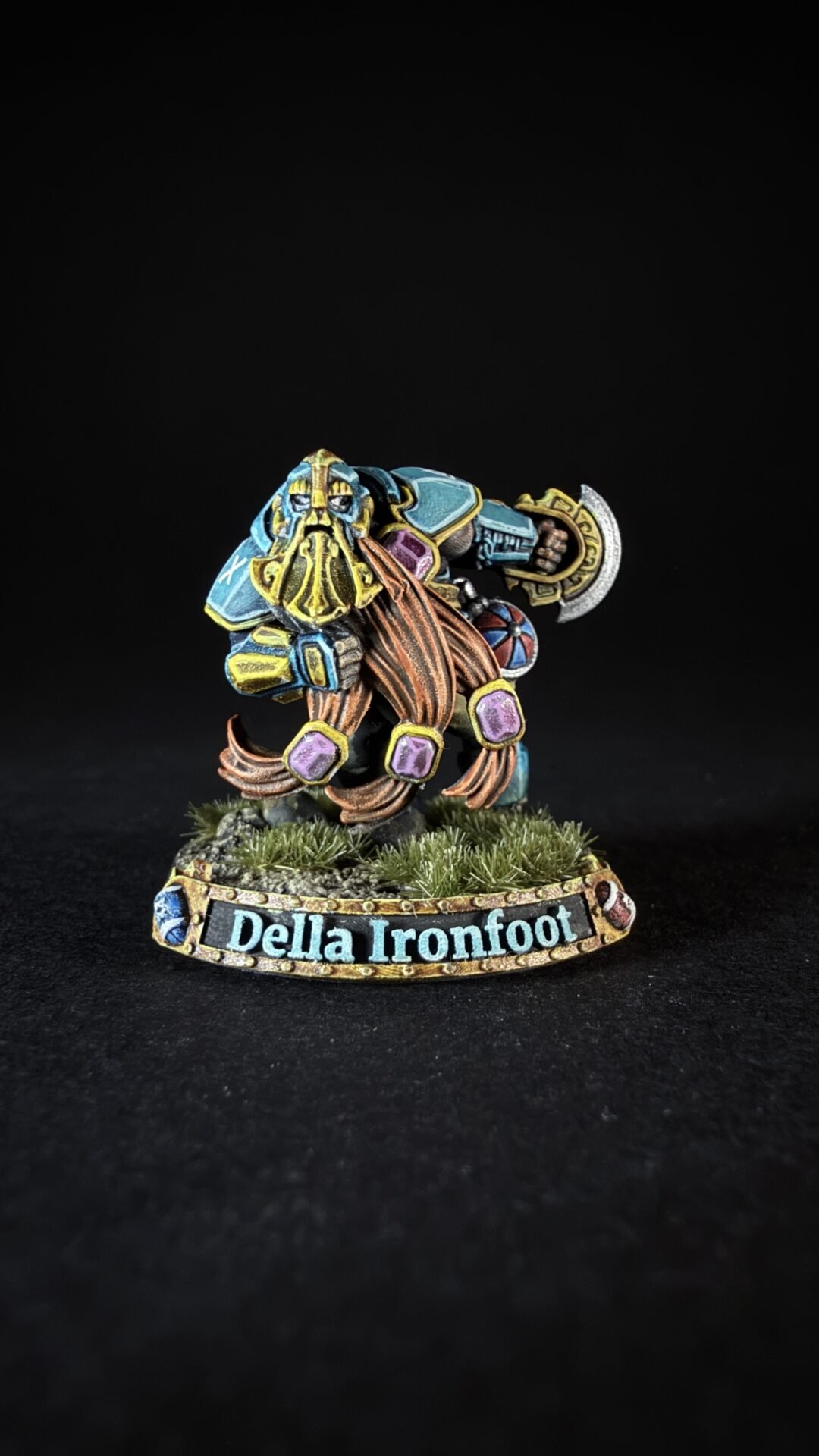
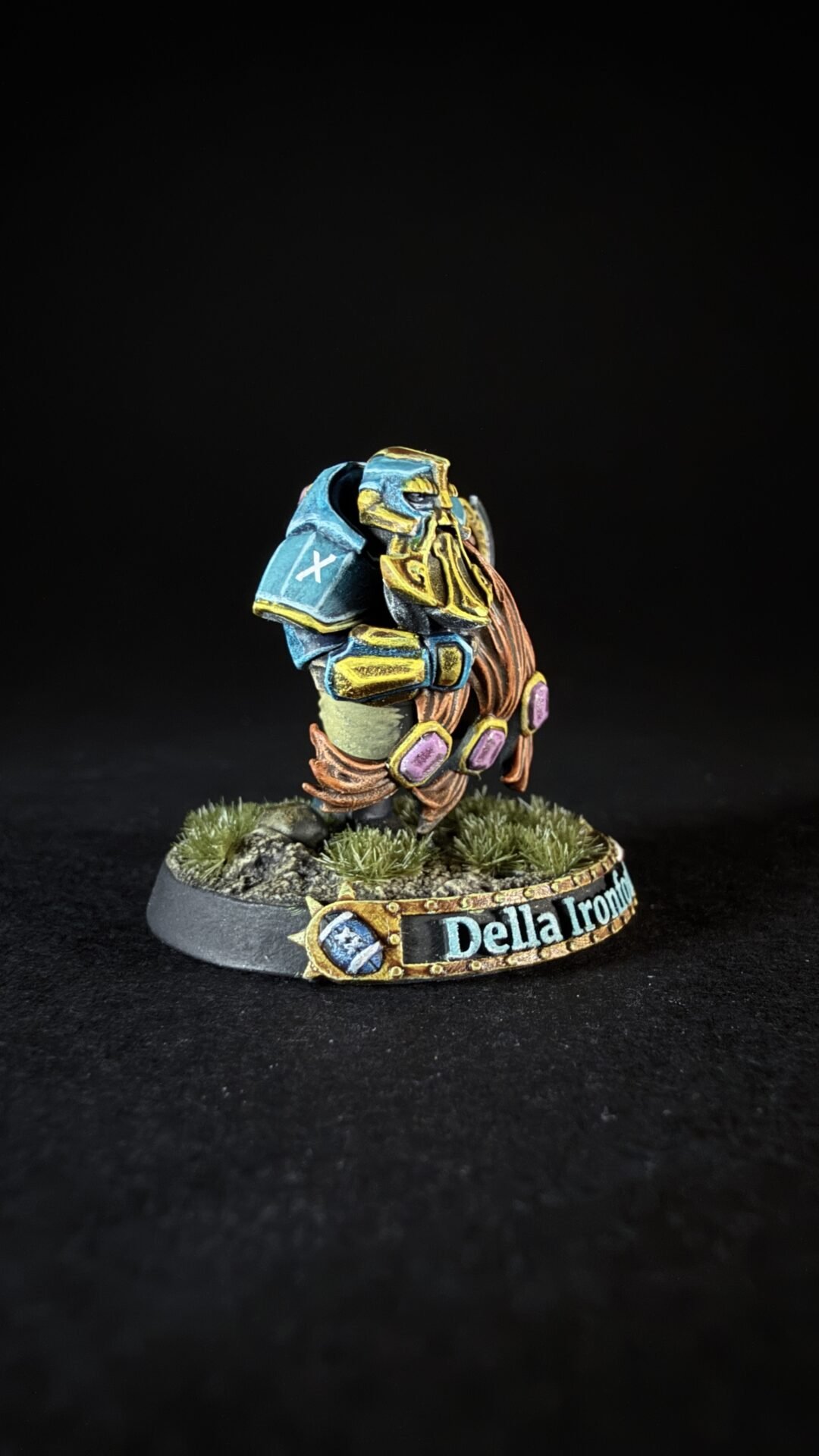
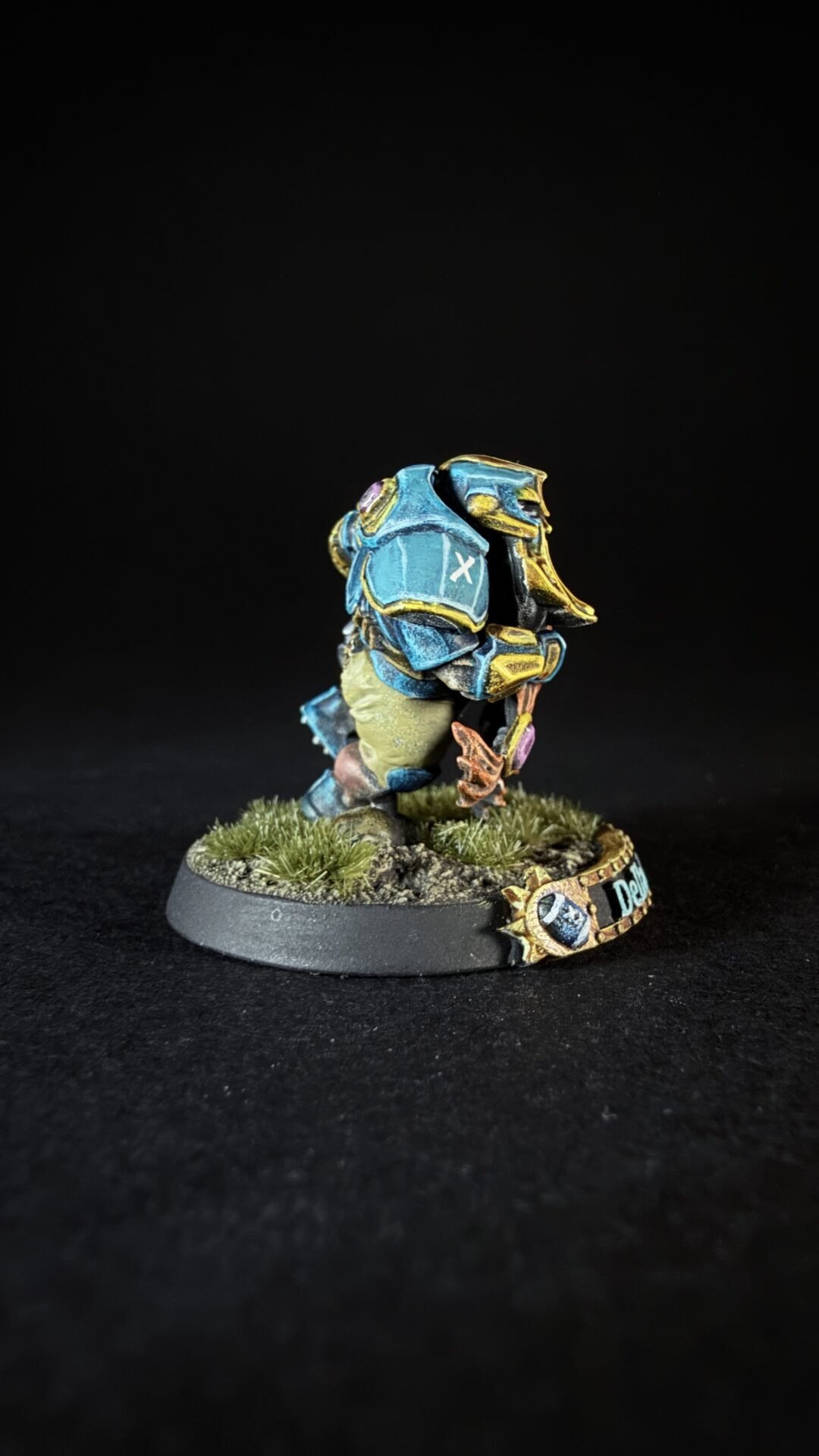
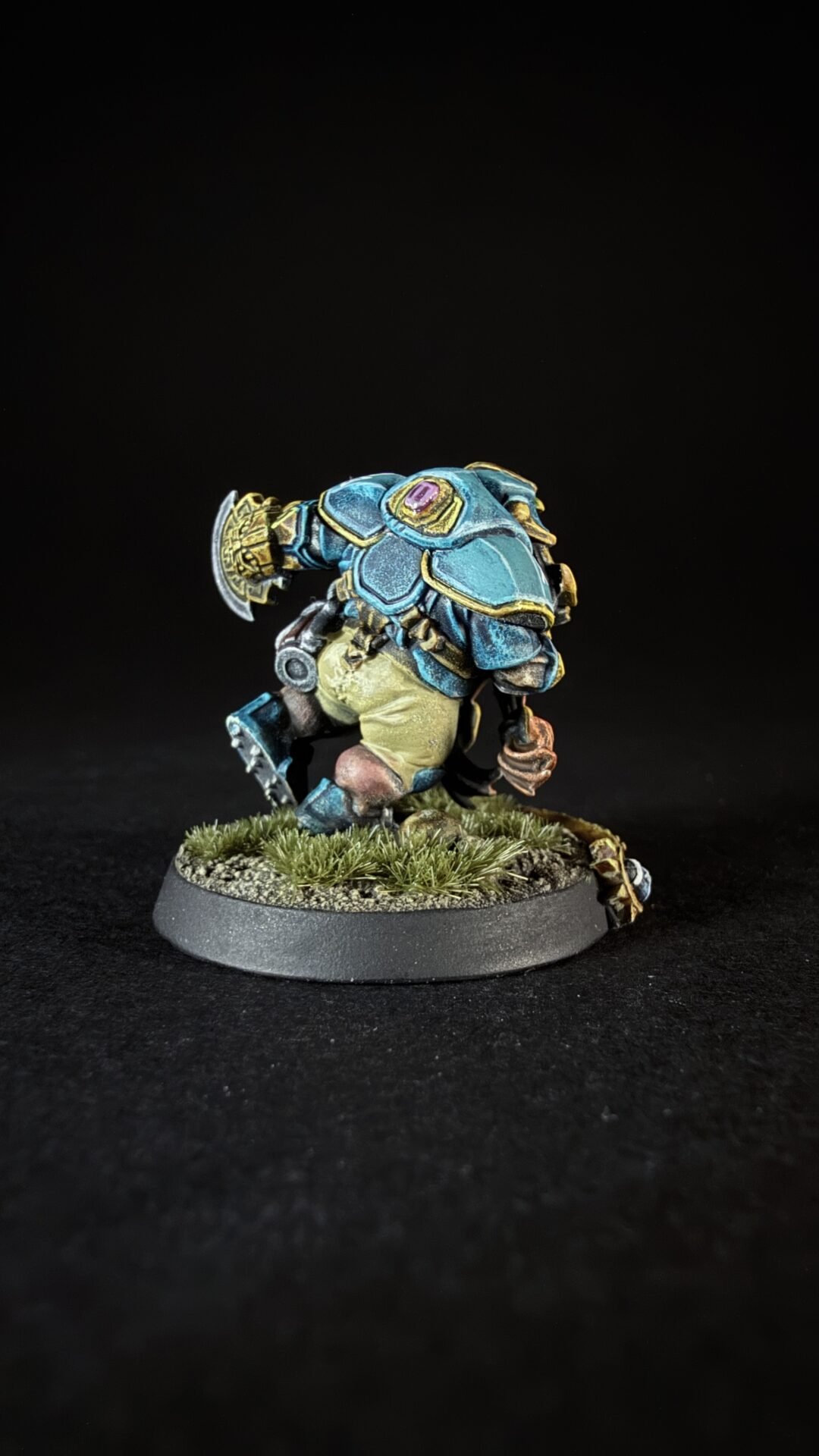
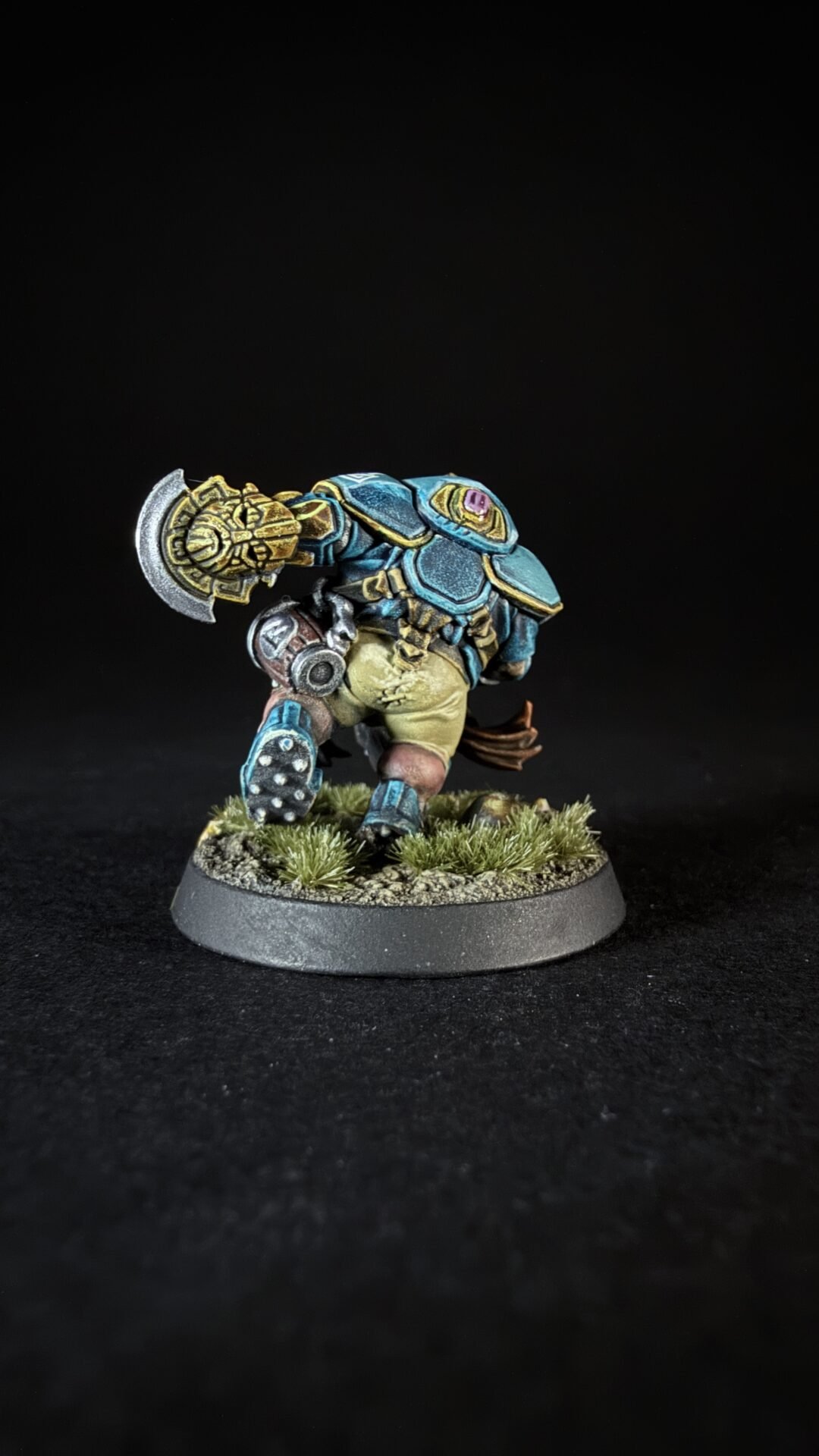
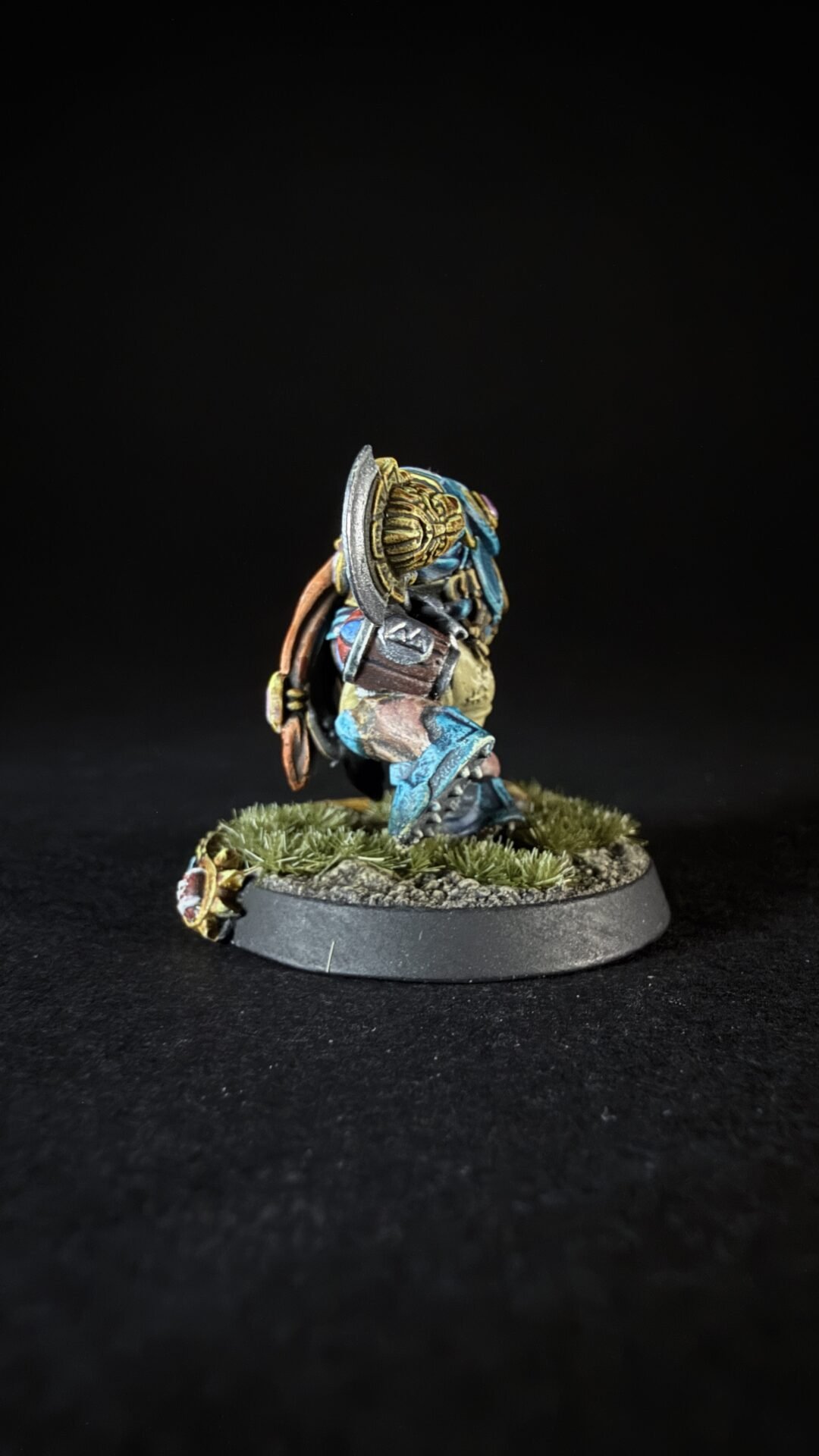
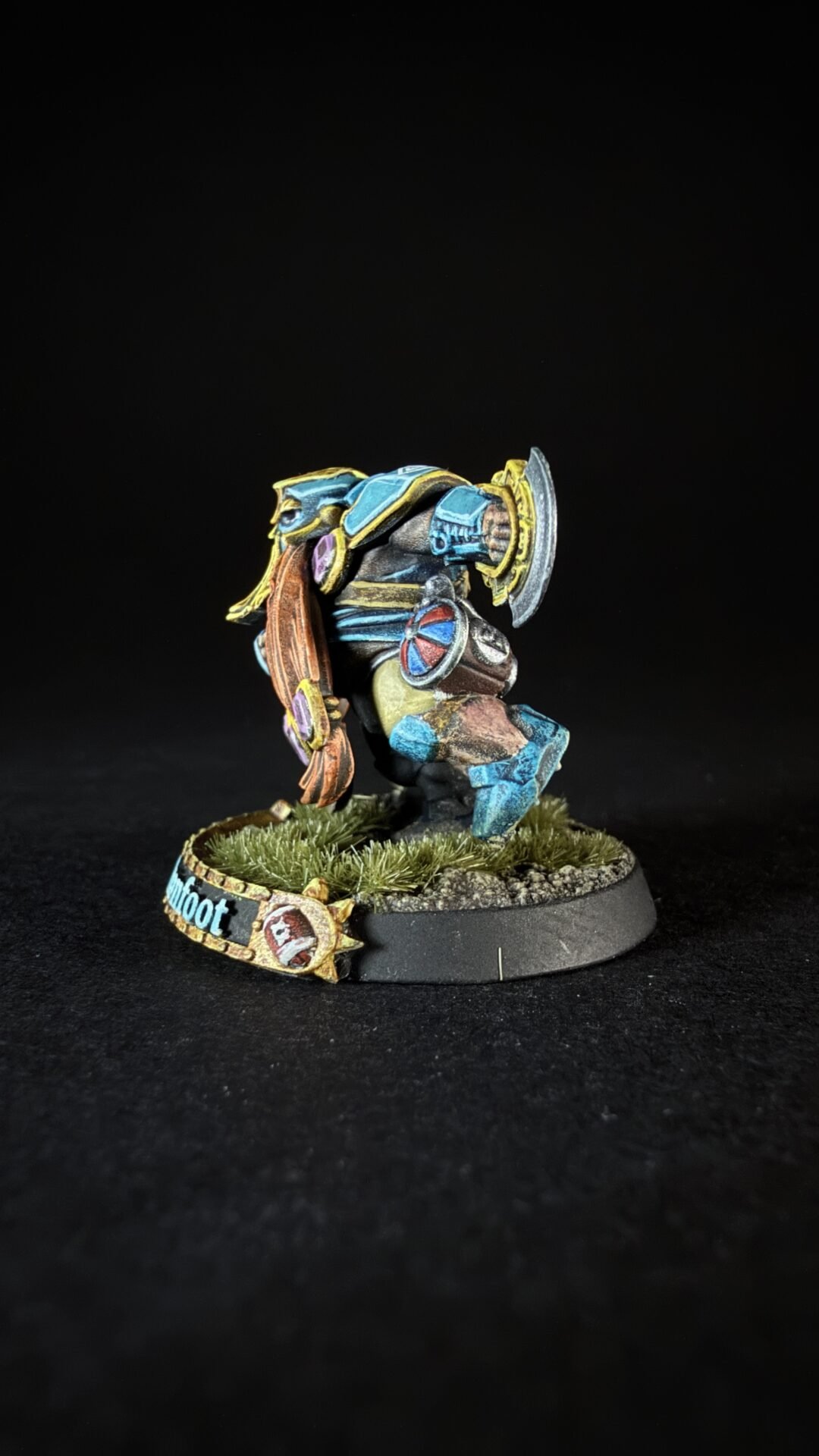
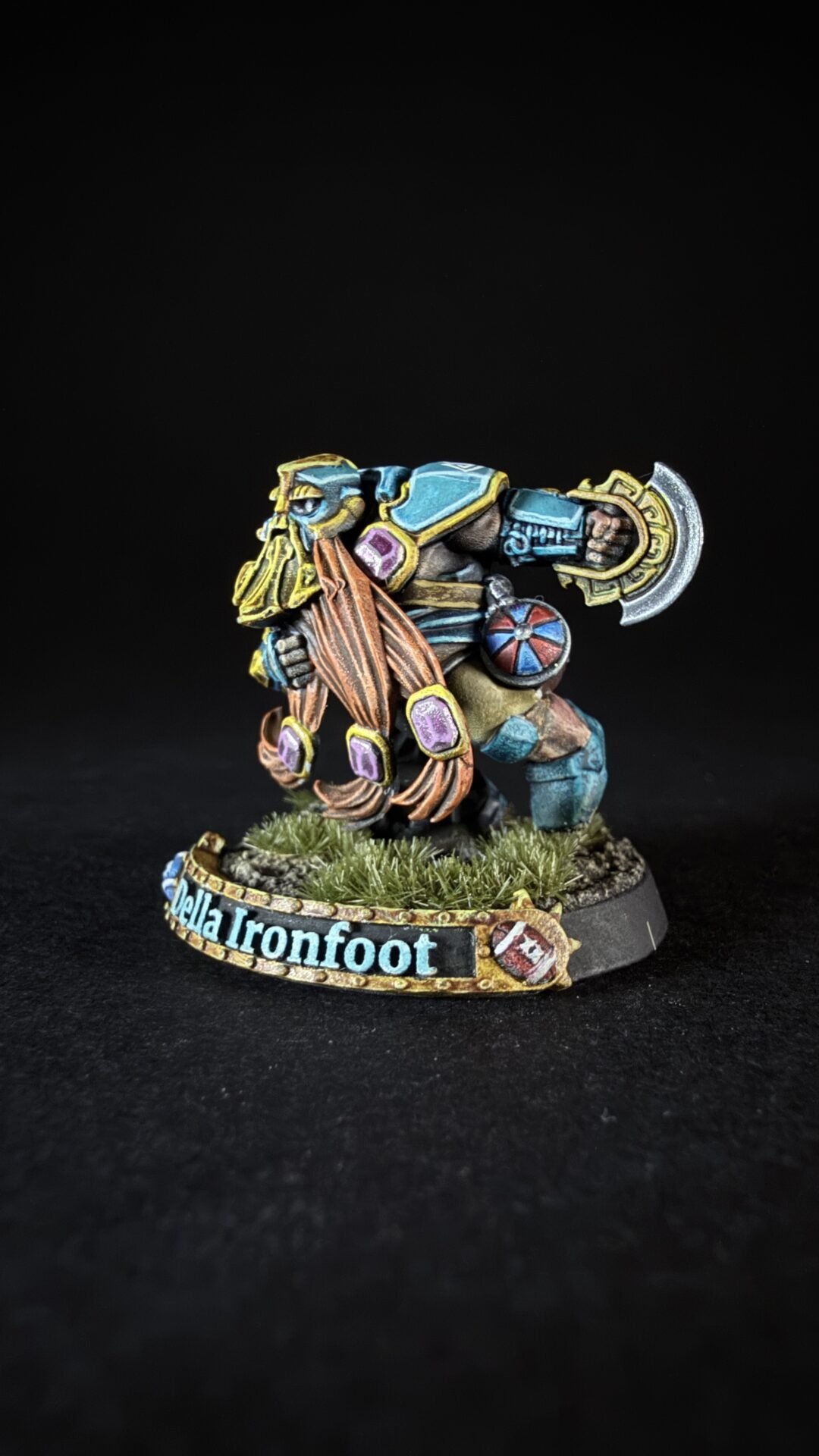
You can find more Blood Bowl pictures here
Tactical deep dive
There is a very specific sound that defines a match against a Dwarf team in Blood Bowl, and it isn’t the roar of the crowd or the blowing of the referee’s whistle. It is the rhythmic, metallic clunk of heavy gromril boots hitting the turf, followed shortly by the sound of an opponent’s ribs making an unfortunate acquaintance with a set of knuckledusters. If you’ve ever sat across the table from a Dwarf coach, you know that the game isn’t so much a sport as it is a tactical demolition project. And at the very heart of that project, acting as both the wrecking ball and the structural support, is the Dwarf Blitzer.
Today on the Weekly Waffle, we are lacing up our sturdiest boots to talk about the quintessential “professional” of the Dwarf roster. While the Slayers are busy chasing a glorious death and the Runners are puffing and panting to keep up with the play, the Blitzers are the ones actually making sure the job gets done. They are the tactical heartbeat of the team, the players who remind us that while Dwarfs might be built like bricks, some bricks are designed to be thrown.
Let’s chat about the background of these stalwarts first, because in the grand, beer-soaked lore of Blood Bowl, the Dwarf Blitzer holds a position of genuine respect. In the mountain holds, you don’t just walk onto the pitch and call yourself a Blitzer. These are the veterans. They are the Dwarfs who have survived enough tunnels collapses, goblin raids, and pub brawls to know that the secret to winning a fight isn’t just hitting hard, but being the one left standing when the dust settles. Unlike the Slayers, who have a bit of a theatrical, mohawked flair for the dramatic, the Blitzers are the blue-collar elite. They view the game with a grim, workmanlike determination. To them, an opposing catcher isn’t a legendary athlete; they are just another obstacle that needs to be cleared from the path, much like a stubborn vein of rock in a deep mine.
In the official fluff, these fellows are often described as the most balanced individuals in a culture that leans heavily toward the extreme. They have enough sense to wear a full suit of plate armour—unlike the Slayers—but they still possess that legendary Dwarven temper that makes them terrifying in a scrum. They are the reliable professionals who follow the playbook to the letter, provided the playbook primarily involves punching people in the face. They represent the peak of Dwarven athleticism, which, to be fair, is a bit like being the fastest glacier in the Arctic, but in the context of Blood Bowl, it makes them absolutely indispensable.
Right then, let’s talk about why your opponent starts sweating when they see these lads lining up on the scrimmage. On the tabletop, the Dwarf Blitzer is the definition of reliability. In a game where the dice gods take a perverse pleasure in ruining your best-laid plans, the Blitzer is an island of calm in a sea of “one” rolls. They come out of the box with the Block skill, which is arguably the most important word in the entire Blood Bowl dictionary. It means that when they hit someone, they are significantly less likely to fall over than the poor soul on the receiving end. While other teams have to spend precious development time teaching their players how to actually tackle, the Dwarf Blitzer arrives on day one knowing exactly how to put a shoulder into someone’s midriff without losing their balance.
Then there is the armour. Oh, the armour. They are draped in layers of thick metal that would make a tank feel underdressed. With an armour value that sits at the top tier of the game, they are remarkably difficult to remove from the pitch. You can hit a Dwarf Blitzer with everything you’ve got, and there’s a very good chance he’ll just stand back up, spit out a tooth, and ask if that was supposed to hurt. This durability is what makes them the ultimate “roadblock” players. You can’t just run around them because they’re too smart, and you can’t run through them because they’re too tough. They simply exist in a space on the pitch, and suddenly that space belongs to the Dwarfs for the rest of the half.
But what really sets them apart from the rest of their kin—the plodding Longbeards, is that they actually have a bit of pace. Now, let’s be realistic, we’re talking about “Dwarf speed” here, which means they can outrun a particularly athletic turtle, but in the confined chaos of a Blood Bowl pitch, those extra few squares of movement are life-saving. It makes them the “safety” of the team. If an elven catcher manages to slip through the main line, the Blitzers are the only ones with a hope of catching them. They are the reactive force, the players who can shift from the front line to a defensive position just fast enough to stop a touchdown. They are the firemen of the roster, rushing to whatever part of the pitch is currently on fire to beat the flames out with their fists.
Playing with Dwarf Blitzers is an exercise in “calculated aggression.” You don’t just throw them wildly into the fray like a headless chicken. You use them as the anchors for your cage or the tip of your spear. They are fantastic at hunting down the opponent’s “stars.” Because they have that built-in Block skill and high armour, you can safely send them into a tackle against a high-value target knowing they’ll likely win the trade. They are the assassins in heavy plate, the players who systematically pick apart the opponent’s strategy by removing the key pieces one by one. It’s not flashy, and it certainly won’t win any awards for grace, but it is incredibly effective.
Let’s not sugarcoat the experience of playing against them, though. Facing a pair of well-positioned Dwarf Blitzers is a masterclass in frustration. It’s like trying to play football in a phone booth filled with angry wardrobes. Every time you think you’ve found a gap, a Blitzer steps in to close it. Every time you try to dodge away, their “Tackle” skill—which they inevitably pick up early in a league—reminds you that running away is a coward’s tactic and they won’t have any of it. They turn the game into a grinding war of attrition where the pitch feels smaller and smaller with every turn. They don’t just beat you; they slowly compress your options until you have nowhere left to go.
There’s a certain psychology to the Dwarf Blitzer player, too. Every gaming group has one. It’s the person who enjoys the slow burn, the coach who would rather win 1-0 after a sixty-minute grind than win 3-2 in a high-scoring thriller. They are the players who value consistency over flair, the ones who would rather have a guaranteed “push” result than a risky “knockdown.” Playing as the Blitzers gives you a wonderful sense of inevitability. You aren’t playing for the highlight reel; you’re playing for the win. There is a deep, smug satisfaction in watching an opponent roll a bucket of dice to try and knock your Blitzer down, only for him to stay standing and proceed to punch them into the dugout on the following turn.
If there’s a tangent to be had here, it’s about the sheer professionalism of these models. In a game filled with literal monsters, undead horrors, and chaotic mutations, the Dwarf Blitzer is just a guy who is very good at his job. He’s the person who shows up on time, has his gear polished, and follows the instructions. There’s something quite noble about that in the madness of the Old World. They are the ultimate team players. They don’t need the glory of the touchdown—they’ll leave that to the Runner—and they don’t need the frantic worship of the crowd like the Slayers. They just want to hear the final whistle blow while they are standing on top of a pile of defeated opponents.
As they develop through a league, they only become more terrifying. Give them “Mighty Blow,” and suddenly they aren’t just standing in the way; they are actively putting people in the hospital. Give them “Stand Firm,” and they literally become part of the terrain, impossible to push back or move. By the middle of a season, a pair of veteran Dwarf Blitzers are essentially two roving “No-Go Zones” on the pitch. They dictate the flow of the game simply by being present. They are the masters of the “pitch control” game, turning the beautiful sport into a grim exercise in territorial dominance.
To wrap this up, the Dwarf Blitzer is the perfect encapsulation of the Dwarf team philosophy: stay tough, stay steady, and eventually, the other side will break. They aren’t the fastest, they aren’t the strongest, but they are undeniably the most reliable players on the astrogranite. They are the glue that holds the chaotic Dwarf machine together, the players who turn a collection of slow-moving beard-enthusiasts into a championship-winning gang.
So, the next time you sit down for a match and see those stout, armoured figures staring back at you, just remember: you aren’t playing a game of speed or skill anymore. You’re playing a game of endurance. The Blitzers aren’t going anywhere, and they have all the time in the world to make sure you regret stepping onto the pitch. They are the masters of the grind, the professionals of the punch-up, and the true royalty of the mountain holds. And honestly, would you have it any other way?
Now, get out there, grab a beer, and let the Blitzers lead you to a slow, methodical, and entirely deserved victory. The hold is watching, and the end zone is only a few hundred very difficult inches away!
The Wrap Up
That’s all I have for you this week. The core team is finished and along with Bugmen that makes for a good foundation. But there are still a few options that can pad out the team and make them a truly formidable force. So the next few weeks are going to be focused on doing just that. Starting next week with one of my favourite all time miniature.
So until then I hope you all have a fantastic week and I will see you all again back here, same time next week.


You May Also Like
The Dwarf Deathroller – The Ultimate Engine of Destruction
Weekly Waffle #414 – The Pint-Sized Powerhouse of Pitch and Pub